

Fall decorating tends to go wrong in one of two ways. Either everything gets bought at once and the house ends up crowded, or the budget runs out before the living room feels any different. The good news is that autumn is one of the easiest seasons to decorate cheaply. Its materials are mostly gourds, branches, wheat, wool, candlelight, and warm color, and most of them cost very little or nothing.
These 27 budget fall decor ideas cover every part of the home, from the porch to the bathroom. Most rely on secondhand finds, dollar-store basics, foraged materials, and small swaps like pillow covers and light bulbs. A few suggest a modest upgrade where it’s worth paying a little more. Pick three or four that suit your space, then add more over the season.
1. Fill a Wooden Bowl With Mixed Gourds and Mini Pumpkins
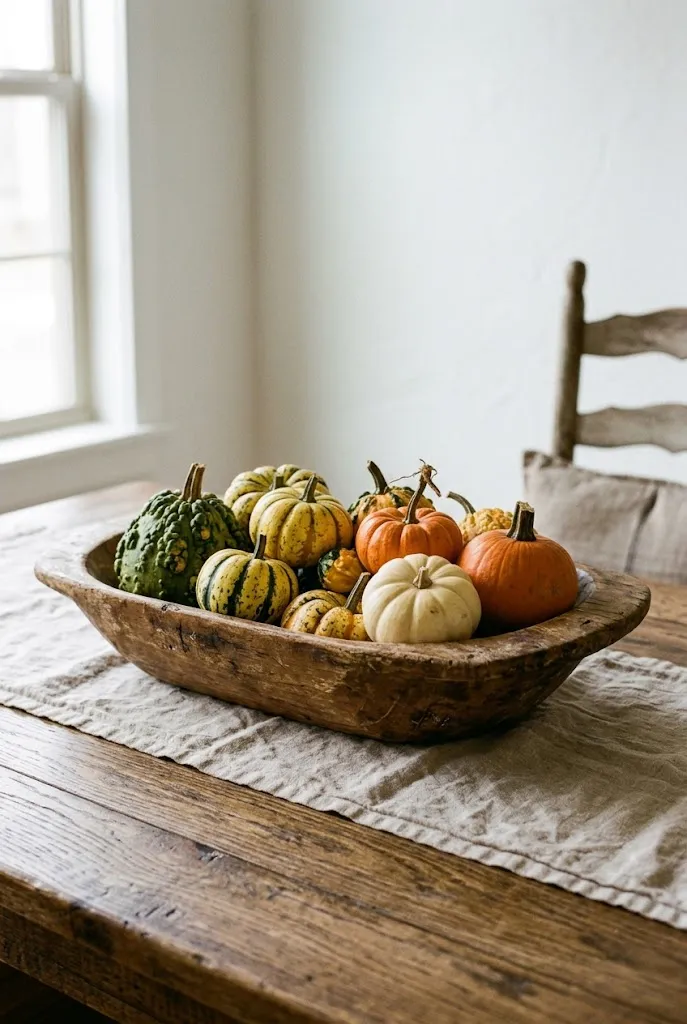
A single wide bowl holding gourds in varied shapes and colors makes a centerpiece that works on a dining table, kitchen island, or coffee table. Mix warty green, striped yellow, and smooth orange or cream pieces so the bowl reads as collected rather than matched. A thrifted wooden dough bowl is ideal, but any shallow wooden or ceramic bowl works.
- Choose three or four different shapes, not six of the same pumpkin.
- Tuck a few dried leaves or a sprig of dried wheat between the gourds.
- Keep the bowl low enough that people can see over it at the table.
Quick Tip: Wipe real gourds with a dry cloth before bringing them inside, and set the bowl on a trivet or cork mat so any moisture doesn’t mark the wood.
2. Cut Branches in a Tall Pitcher or Vase
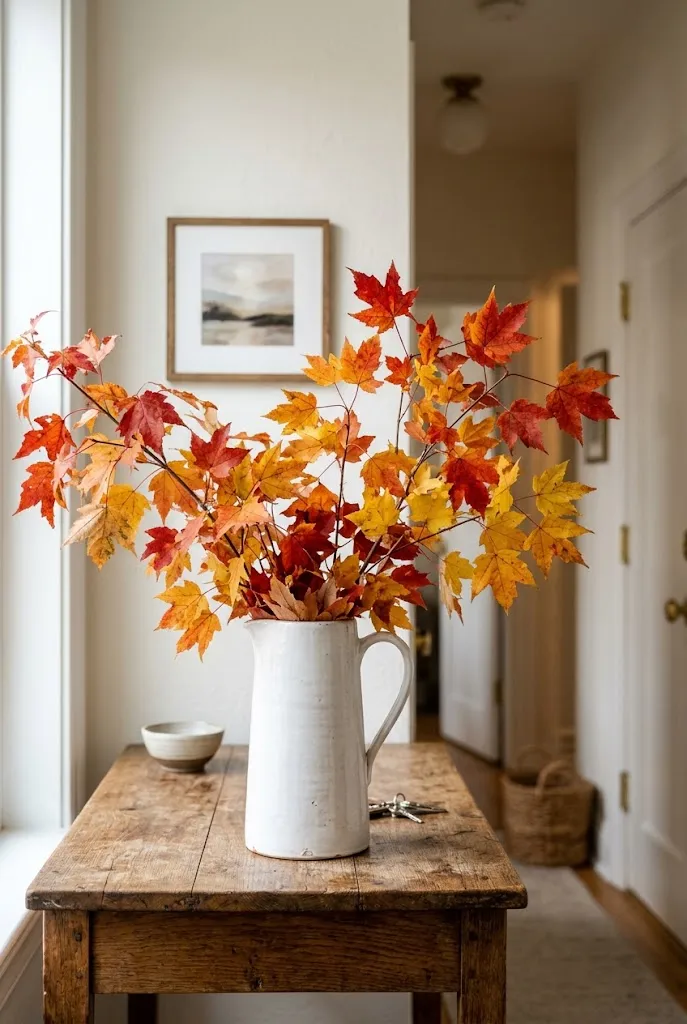
Branches with turning leaves give a room height and color for the price of a walk outside. Fill a tall pitcher or a thrifted glass vase with a few cut stems, and let the branches lean naturally instead of arranging them symmetrically. Maple, oak, and sweetgum stems work in many regions. Check local rules and property boundaries before cutting, and avoid anything you can’t confidently identify, since poison ivy can look attractive in fall.
If fresh leaves drop too quickly, bare branches with a few faux leaves wired on hold up for weeks.
| Option | Advantage | Best Fit |
|---|---|---|
| Fresh cut branches | Free, authentic color | Short-term display, a few weeks |
| Bare branches + faux leaves | Lasts all season | Entryways, mantels |
| Faux stems | Reusable year after year | Low-light rooms |
3. Swap Throw Pillow Covers for Rust, Mustard, and Olive
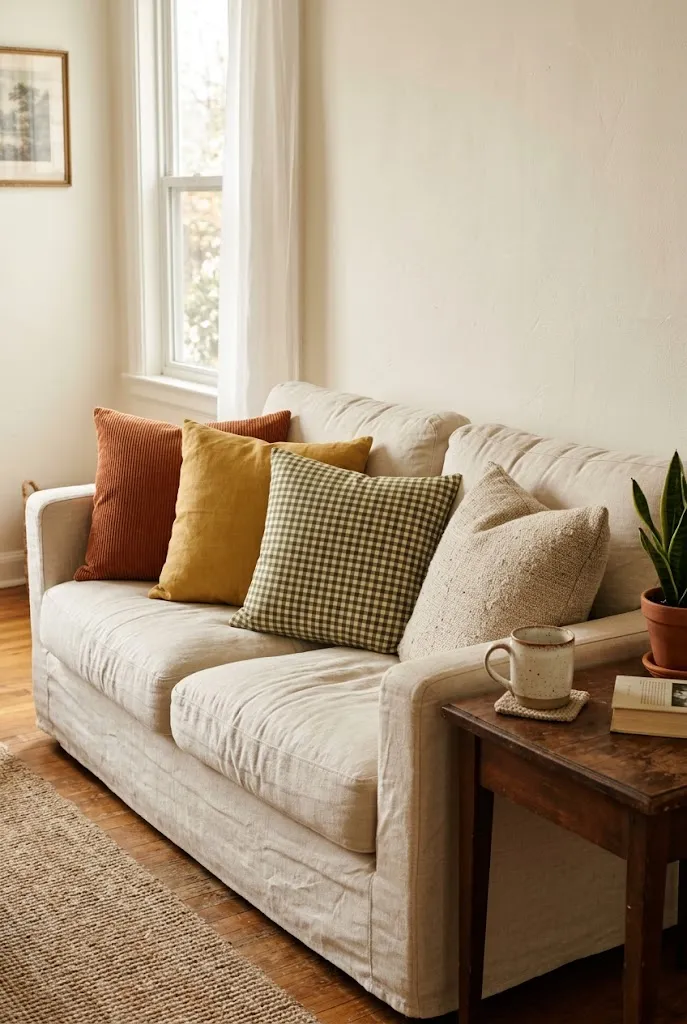
Pillow covers are the cheapest way to change the look of a sofa, because you reuse the inserts you already own. A palette of rust, mustard, and olive reads as autumn without relying on pumpkin motifs. Use one solid, one subtle pattern such as a small check or stripe, and one textured fabric like corduroy or waffle knit for contrast.
Common Mistake: Buying all the covers in the same texture and shade, which flattens the sofa visually.
Better Approach: Vary the scale and finish. A large solid beside a small pattern gives the arrangement depth, and a mix of two or three warm tones keeps it from looking like a set.
Store the summer covers flat in a bag so they’re ready to swap back in spring.
4. Drape a Chunky Throw Over the Arm of the Sofa
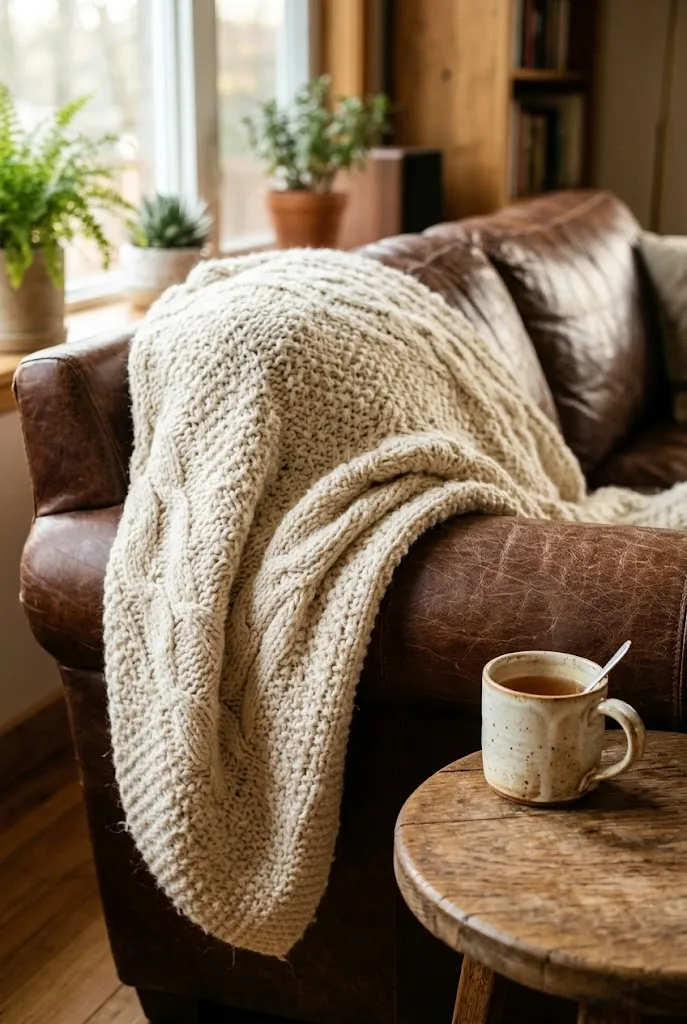
A heavy knit or wool-blend blanket draped loosely over one sofa arm makes a room look more inviting than almost any other single addition. Thrift stores and end-of-season sales are good sources, and a plain oatmeal, camel, or cream throw works for years beyond fall.
This is a good place for a small upgrade. A wool blend costs more than acrylic, but it drapes better, holds warmth, and usually lasts longer, so it can be a sensible one-time spend. Fold it in thirds lengthwise and drape it over the arm instead of piling it in a heap.
5. String Dried Orange Slices Into a Garland
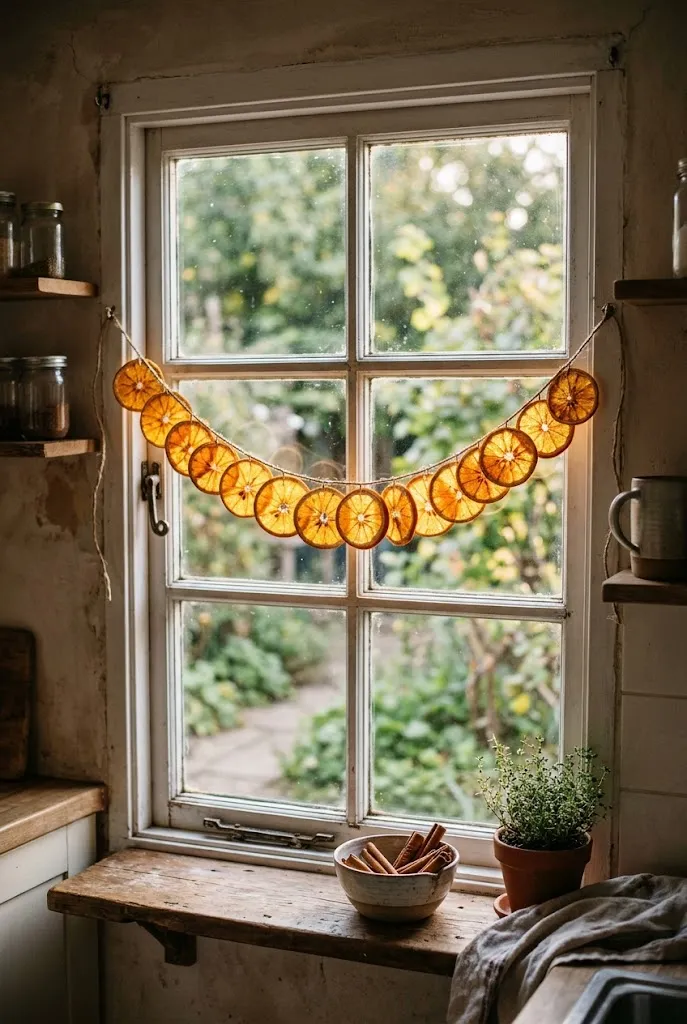
Dried citrus is one of the least expensive fall materials, and it glows when light passes through it. Slice oranges about a quarter inch thick, pat them dry, and bake on a rack at roughly 200°F for several hours, flipping occasionally, until the slices are dry and slightly translucent. Thread with twine and hang across a window, mantel, or doorway.
- Slice evenly so the pieces dry at the same rate.
- Bake low and slow, since high heat browns the slices before they dry.
- Let them cool completely, then thread a needle with twine and string them, spacing in a few cinnamon sticks or dried leaves.
Keep the garland away from candles and heat sources, and expect it to last a season, not for years.
6. Paint Foam and Thrifted Pumpkins in Matte Neutrals
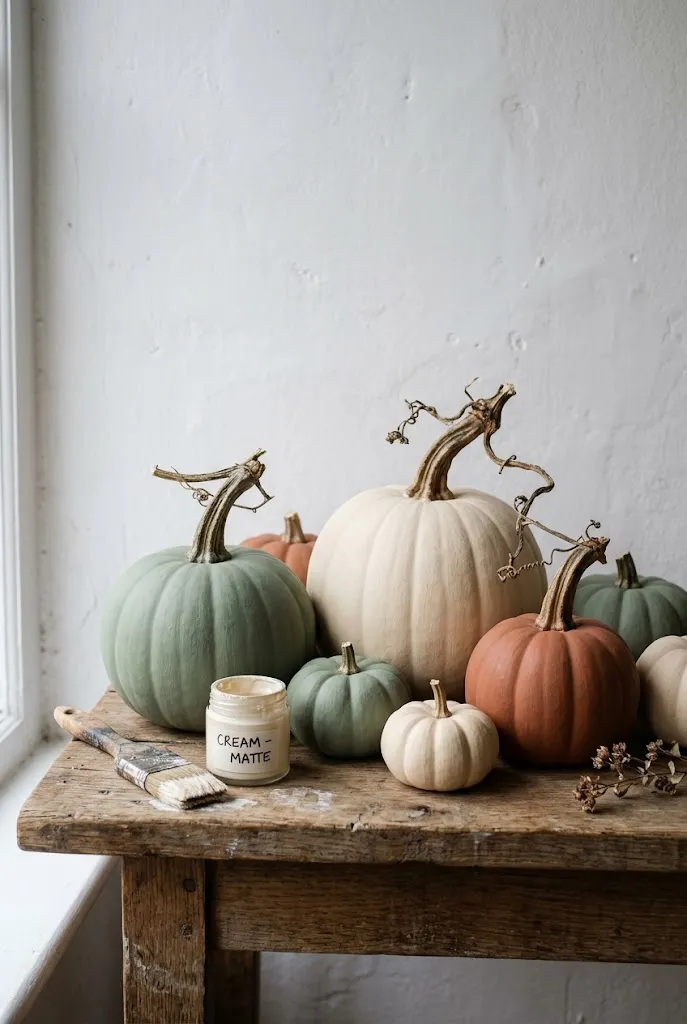
Craft-store foam pumpkins and thrifted ceramic ones look dated in glossy orange, but a coat of matte chalk-style paint in cream, sage, or terracotta changes them completely. A dry sponge dabbed over the surface adds subtle texture, and a real pumpkin stem or a twig makes the foam versions more convincing.
| Pumpkin Type | Advantage | Tradeoff |
|---|---|---|
| Real pumpkin | Authentic look and texture | Lasts weeks, not seasons |
| Painted foam | Light, reusable, cheap | Needs paint and a convincing stem |
| Thrifted ceramic | Heavy, durable | Availability varies |
Seal painted pieces lightly if they’ll be handled often, and test paint on a small area first, since some foam reacts to certain spray paints.
7. Cluster Candles on a Wooden Tray
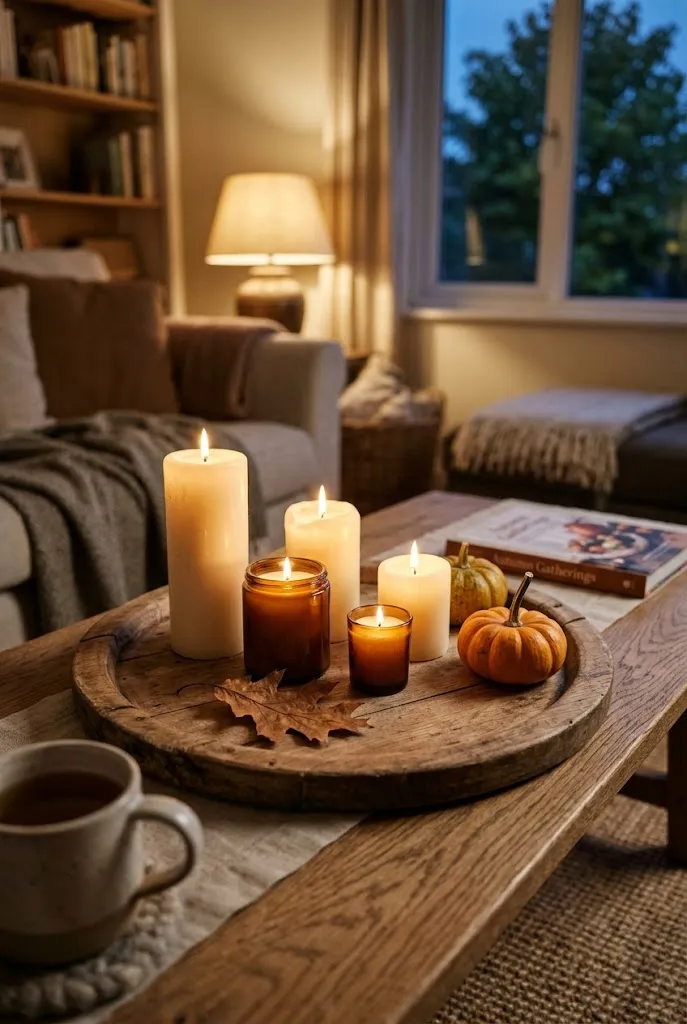
Candlelight is what makes a room feel cozy in the evening, and grouping candles on a tray keeps them looking deliberate. Use three to five candles in different heights, such as a pillar, a taper in a holder, and a couple of votives. Warm white, ivory, or amber tones suit autumn.
If you have pets, young children, or an apartment with strict rules, flameless LED candles are a safe alternative, and good ones have a convincing flicker. Always place real candles on a heat-safe surface and never leave them burning unattended.
8. Make Brown Paper Bag Pumpkins
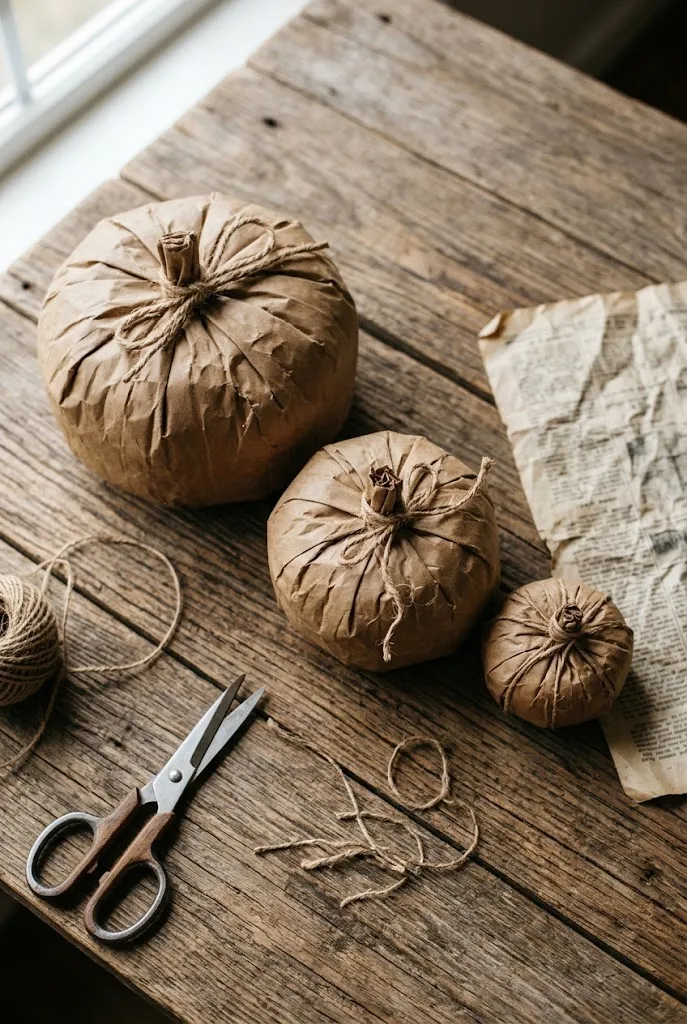
Paper bag pumpkins are among the cheapest handmade decorations, and they look surprisingly good in a group because the kraft paper has a natural warmth.
- Fill a brown paper lunch bag about halfway with crumpled newspaper or scrap paper.
- Twist the top into a stem and tie it with twine.
- Gently scrunch the sides to round the bag out, then paint the stem brown or leave it natural.
- Group several sizes together on a shelf or table.
They’re lightweight, so they work well on high shelves and mantels, and a coat of paint in cream or rust gives them more variety.
9. Add Dried Wheat or Grass Stems to a Vase
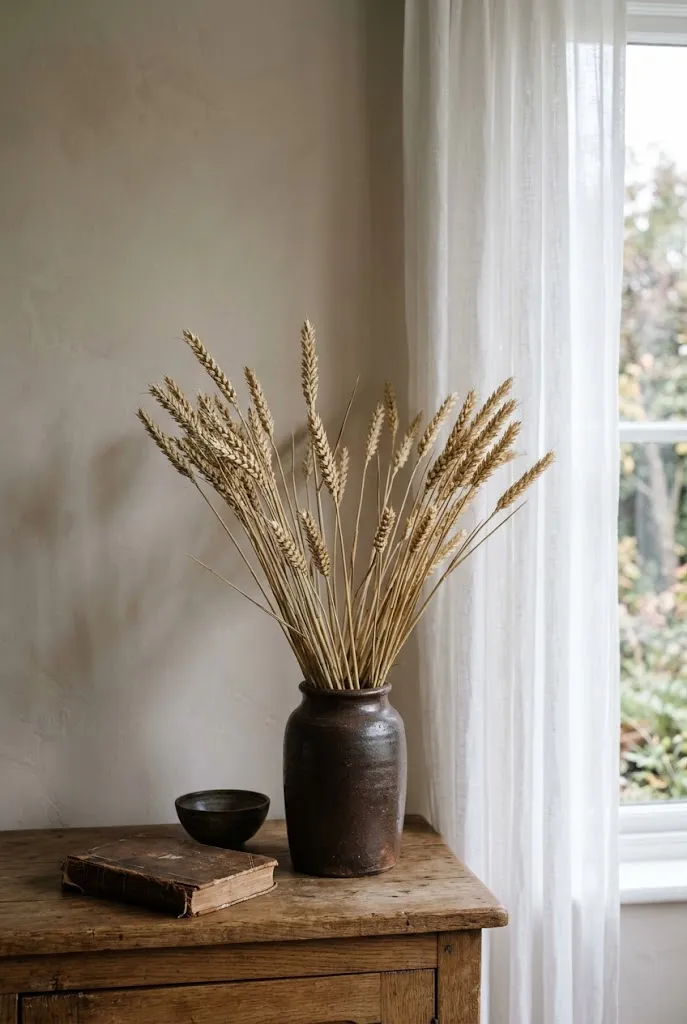
Dried wheat, oat stems, and ornamental grasses give a room a soft, airy fall look and cost very little at craft stores, farmers’ markets, or a nearby field (with permission). Place them loosely in a slim vase and let them fan out naturally.
Contrast helps. A dark ceramic or amber glass vase makes pale stems stand out, while a white vase suits a more muted, farmhouse look. Dried stems shed a bit over time, so keep them away from areas where you’ll constantly be bumping into them.
10. Group Thrifted Vases in Amber, Brown, and Cream
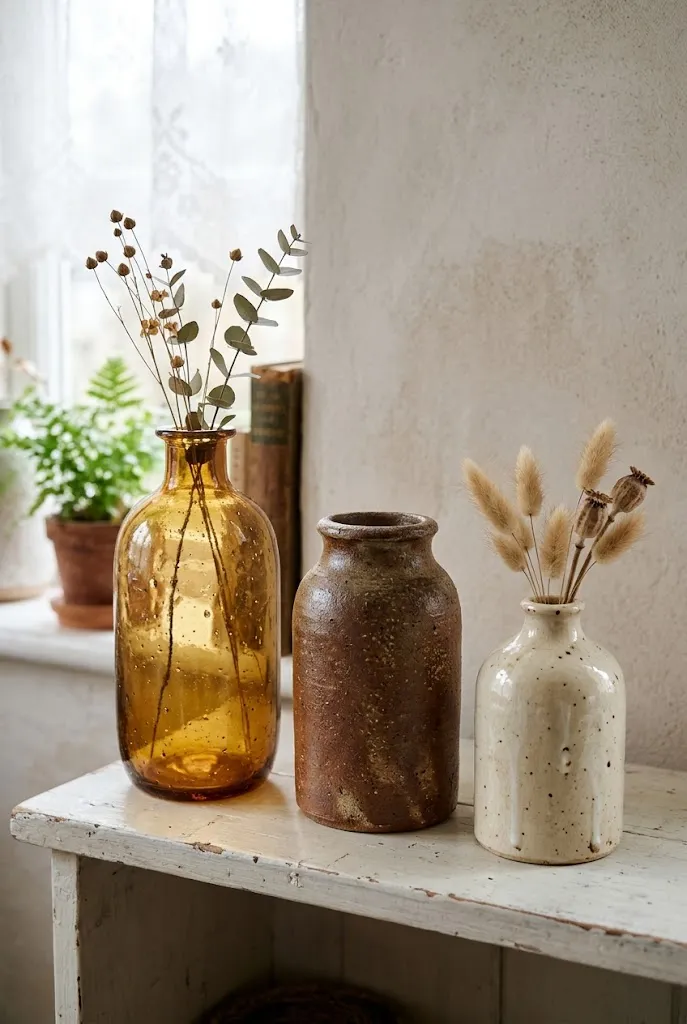
Secondhand shops are full of inexpensive vases, and a mismatched group in autumn colors looks collected and intentional. Choose three in different heights, keep the finishes in the same warm family, and place them together on a shelf, console, or windowsill.
Editor’s Note: Odd numbers usually look more natural than even ones. Three vases of varying heights, with the tallest slightly off-center, reads as arranged rather than staged.
Fill them with branches, dried stems, or leave a few empty. Empty vessels in good shapes can be decor on their own.
11. Wrap Candles or Jars With Cinnamon Sticks
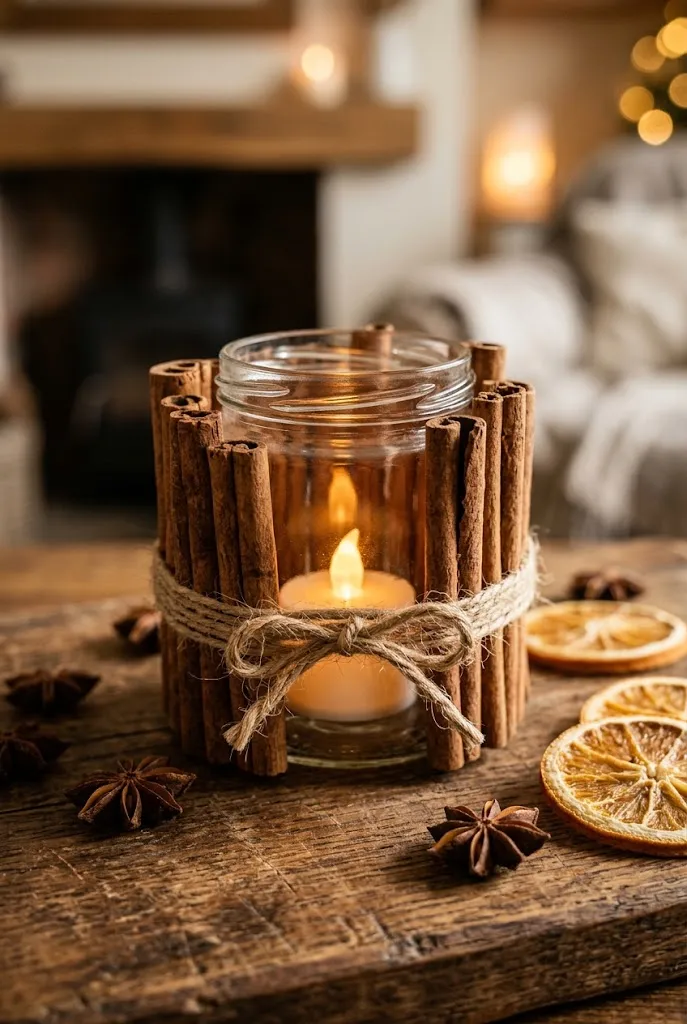
Cinnamon sticks tied around a plain glass candle holder or jar add both texture and a faint scent. Hold them in place with rubber bands, then cover with twine or a ribbon. A jar of water-based votive candles looks tidier this way than bare glass.
A hot glue gun makes the arrangement more permanent, but twine alone keeps it removable. Don’t use real flame in a jar that’s fully wrapped, since the sticks are flammable. A flameless candle inside is the safer choice.
12. Build a Wreath From a Grapevine Base and Faux Leaves
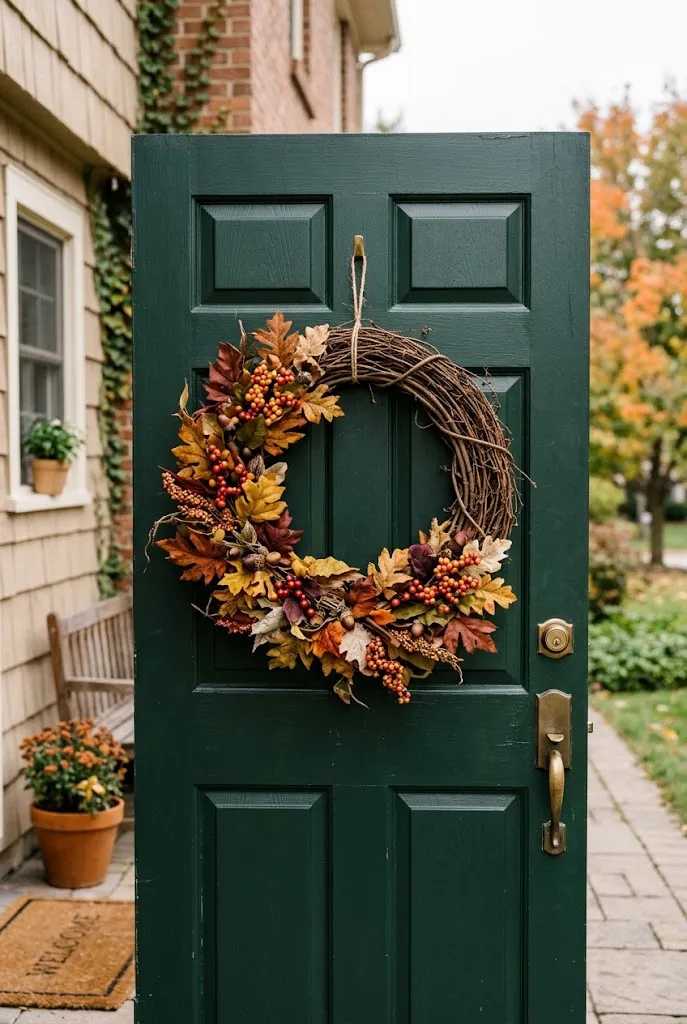
A plain grapevine wreath is inexpensive, and a handful of faux leaves or berries turns it into a seasonal piece. Cluster the leaves in one area instead of spacing them evenly, since asymmetry looks more natural and uses fewer stems. Attach them with floral wire or hot glue, then add a simple ribbon if you like.
- Work in odd-numbered groups of leaves.
- Mix two or three leaf shapes and colors for depth.
- Hang from the back with a loop of ribbon so the front stays clean.
For a front door, make sure the wreath is protected from rain and direct sun if it uses faux materials that fade.
13. Stack Pumpkins and Mums on the Porch Steps
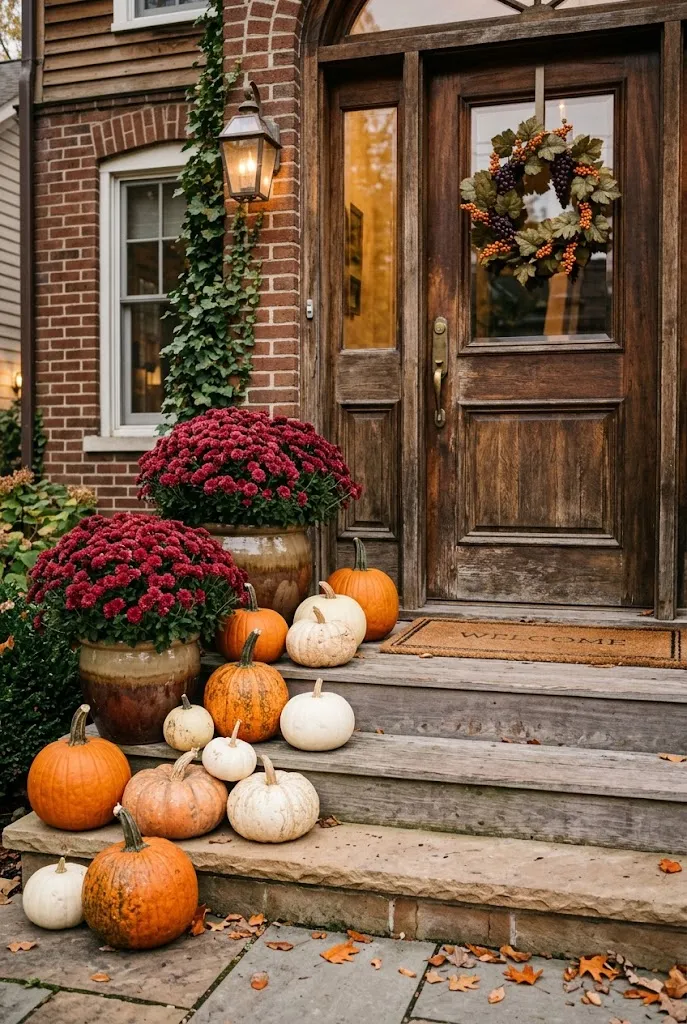
A porch display needs layers at different heights. Place a larger pumpkin on the bottom step, a pot of mums beside it, and smaller pumpkins stepping up to the door. Group items in odd numbers and keep the colors to two or three, such as orange, cream, and a deep burgundy mum.
Mums are often sold in inexpensive pots, and many can be planted in the garden afterward in suitable climates, though results depend on the variety and region. Check the plant tag if you hope to keep them beyond the season.
Common Mistake: Spreading single pumpkins evenly across every step.
Better Approach: Cluster them in groups and leave open space, which looks more deliberate and keeps the steps safe to walk on.
14. Use a Fabric Remnant as a Table Runner
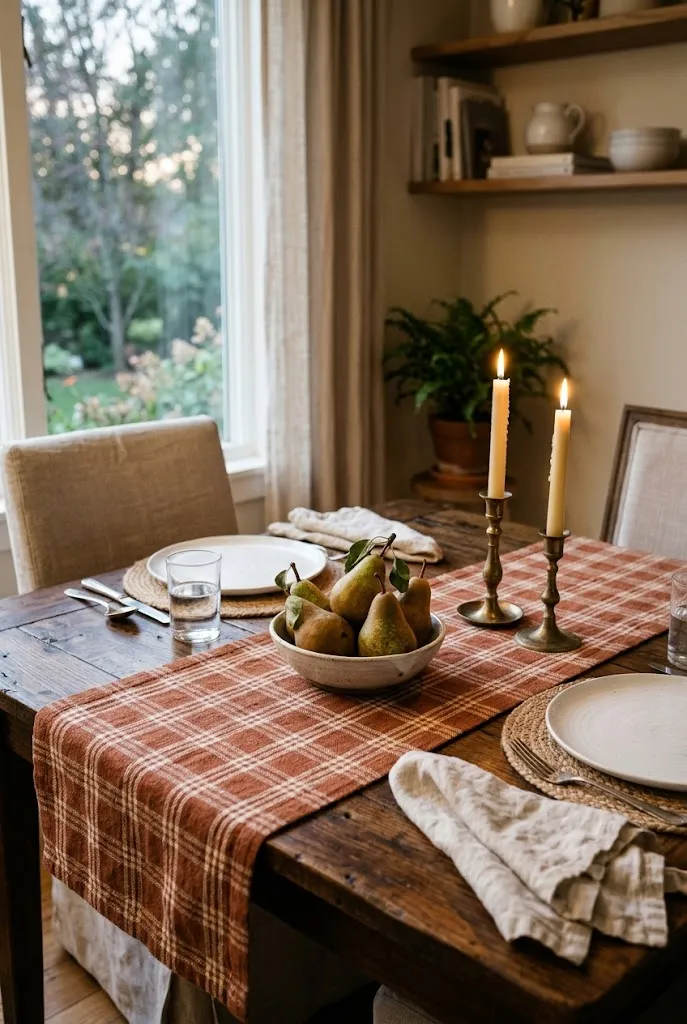
Fabric remnants are often discounted, and a plaid, linen, or burlap piece can become a table runner without any sewing. Cut a length slightly longer than the table’s center, and fray or hem the edges with iron-on tape for a cleaner finish.
Choose a pattern that doesn’t compete with your centerpiece. A plaid runner pairs well with plain gourds, while a solid linen runner suits more decorative arrangements.
15. Style the Mantel With a Mirror and Layered Garland
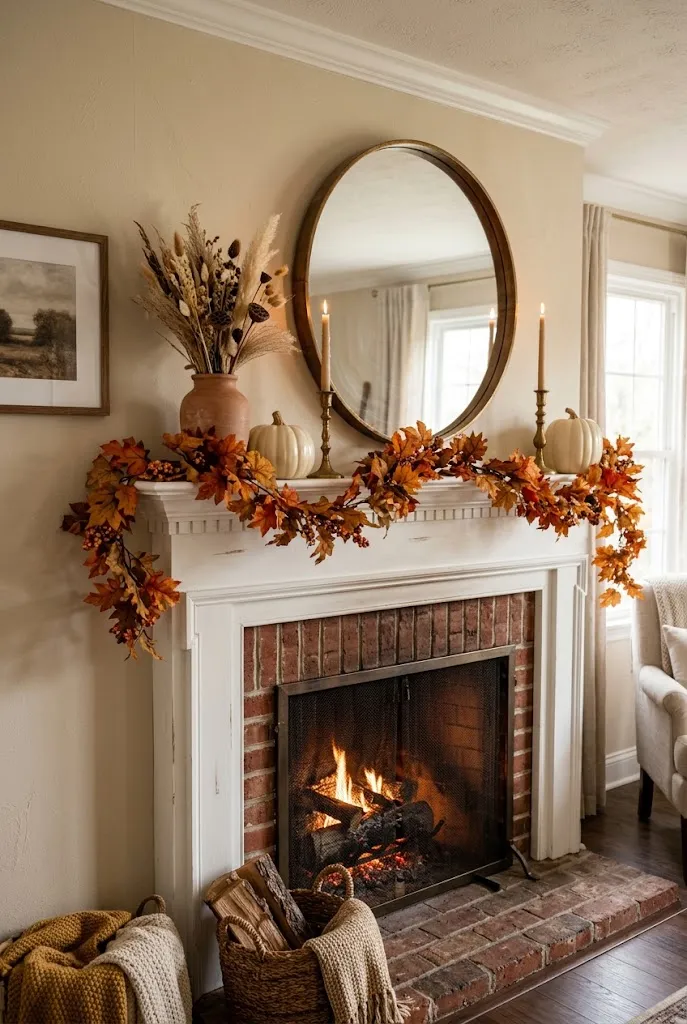
A mantel works best with a large central element and smaller objects around it. A thrifted mirror or framed print leaning against the wall gives the display an anchor, and a faux leaf garland draped across the front adds seasonal color. Add a couple of pumpkins, a candle, and a vase of dried stems at varied heights.
If you don’t have a fireplace, a long shelf or a dresser works the same way. Keep the heaviest items near the center to avoid a lopsided look, and leave some bare mantel space so the arrangement can breathe.
16. Create a Reading Corner With a Basket of Blankets
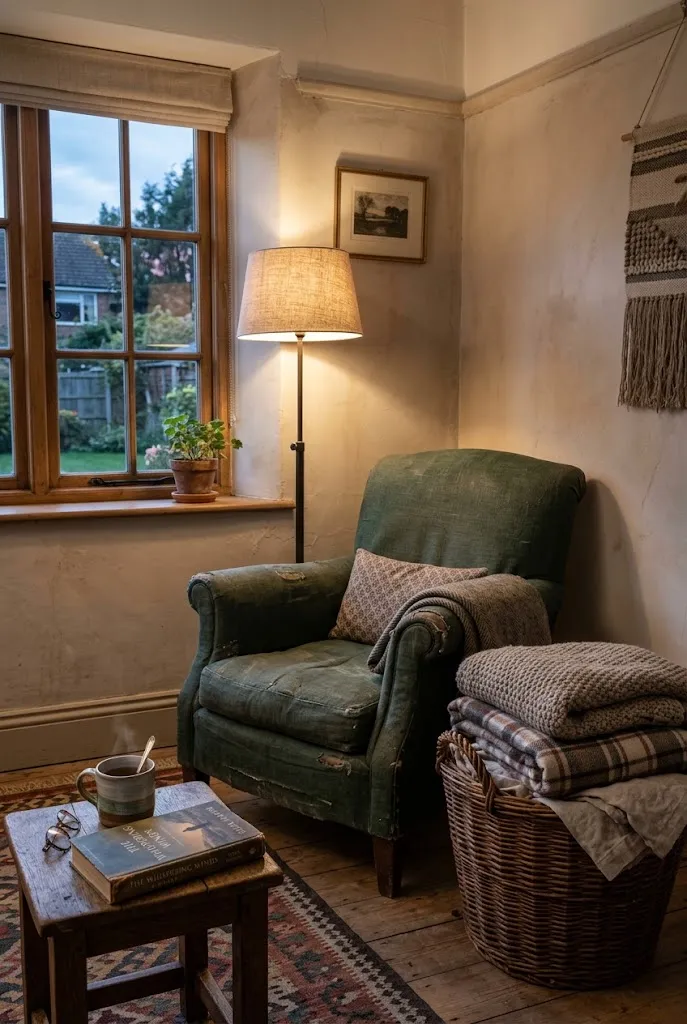
A comfortable chair, a basket of blankets, and a small table for a mug make a corner people will actually use. A secondhand armchair with a washable slipcover or a plain throw over it is an inexpensive start, and a wicker or woven basket holds extra blankets without clutter.
- Place the chair near a window or a floor lamp.
- Use a stack of books, not a decorative-only pile, to give the corner a lived-in feel.
- Keep colors warm and muted so the corner feels calm.
17. Frame Pressed Leaves as Simple Wall Art
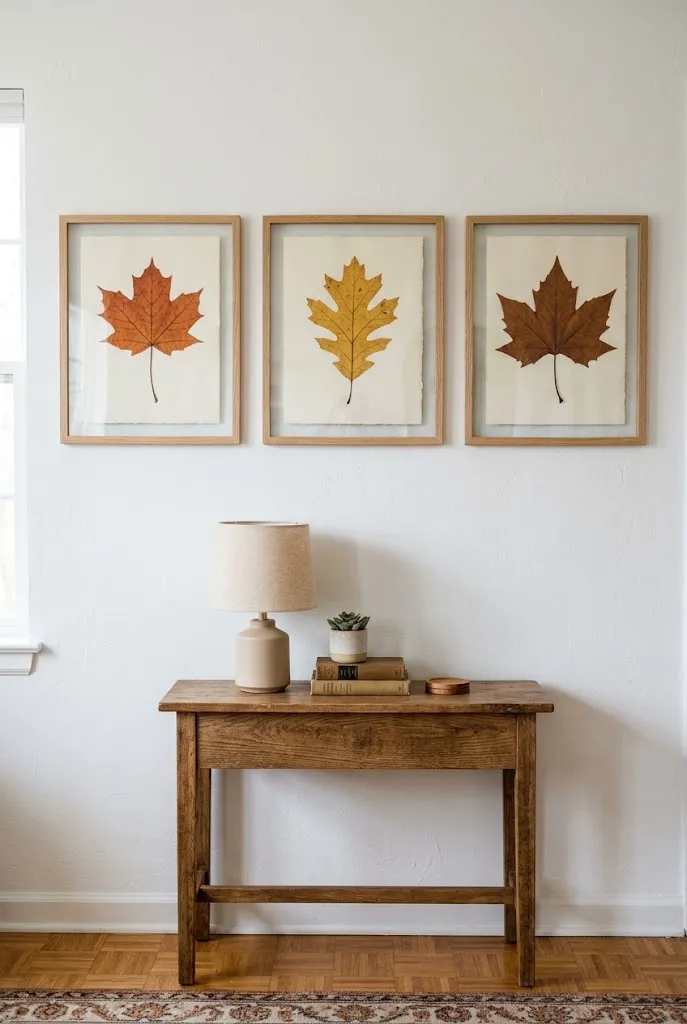
Pressed leaves in a thrifted frame create seasonal art for almost nothing. Collect flat, unblemished leaves, press them between paper inside a heavy book for a week or two, and mount them on plain cream or white paper behind glass.
Do: Choose leaves of different shapes and colors, and leave plenty of white space around them.
Don’t: Use leaves that are still damp, which can mold behind glass.
Hang a pair or a trio of frames in a column for a more polished effect.
18. Simmer a Pot of Fall Scent on the Stove
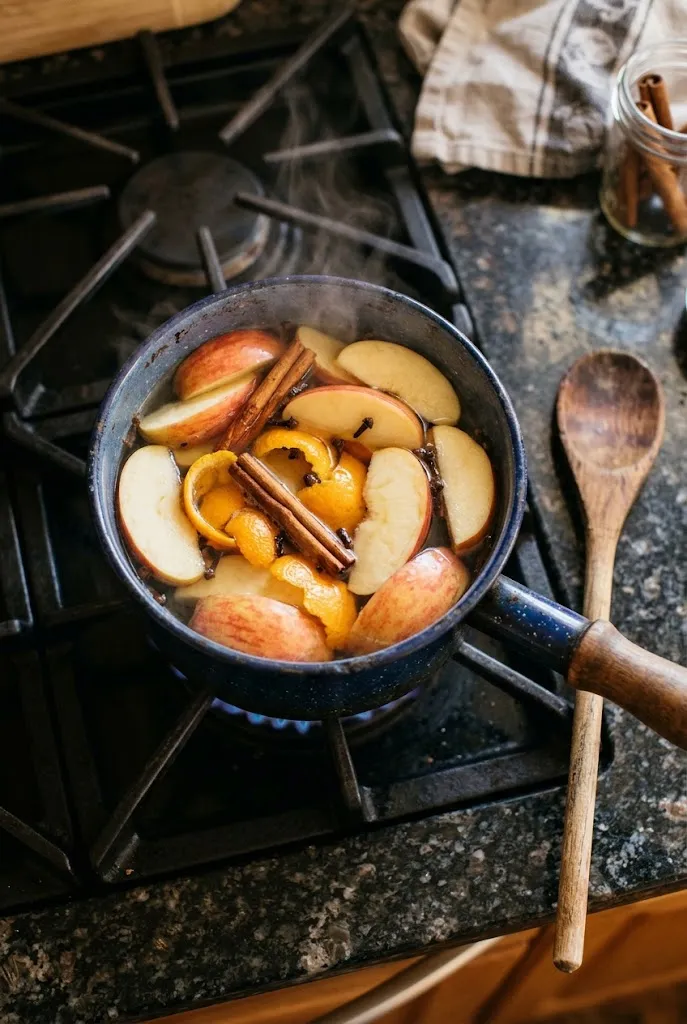
A simmer pot scents a home with ingredients you may already have, so it can replace a candle or air freshener. Combine orange peel, apple slices, cinnamon sticks, and a few cloves in a small pot of water and keep it at a gentle simmer.
Best For: Kitchens and open-plan living spaces
Investment: Accessible
Visual Effect: A warm, steamy stovetop display
Keep the water level topped up, never leave the pot unattended, and turn it off when you leave the house. Pets and young children should stay clear of the stove.
19. Keep It Quiet With White and Cream Pumpkins
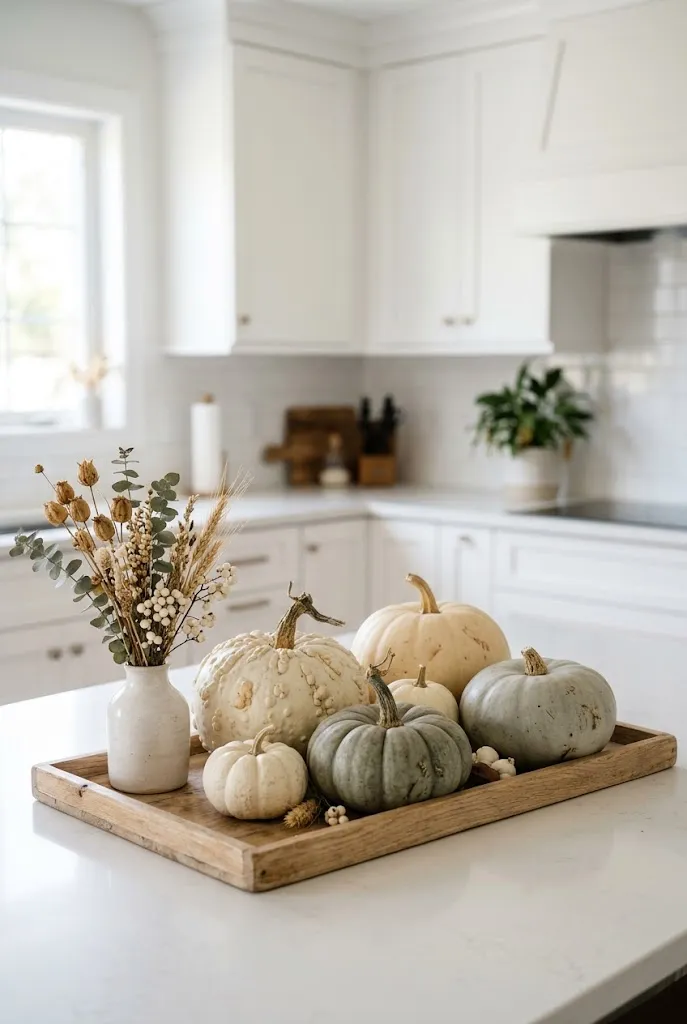
If bright orange feels too loud, a collection of white, cream, and pale gray pumpkins gives a calmer fall look. Vary the surfaces by mixing smooth, ribbed, and warty textures so the arrangement has visual interest despite the limited palette.
Place them on a neutral surface like a pale wood tray or a stone windowsill, and add a few dried stems or a bundle of eucalyptus. This approach works especially well in modern or minimalist homes where bold color would clash.
20. Turn Mason Jars Into Simple Luminaries
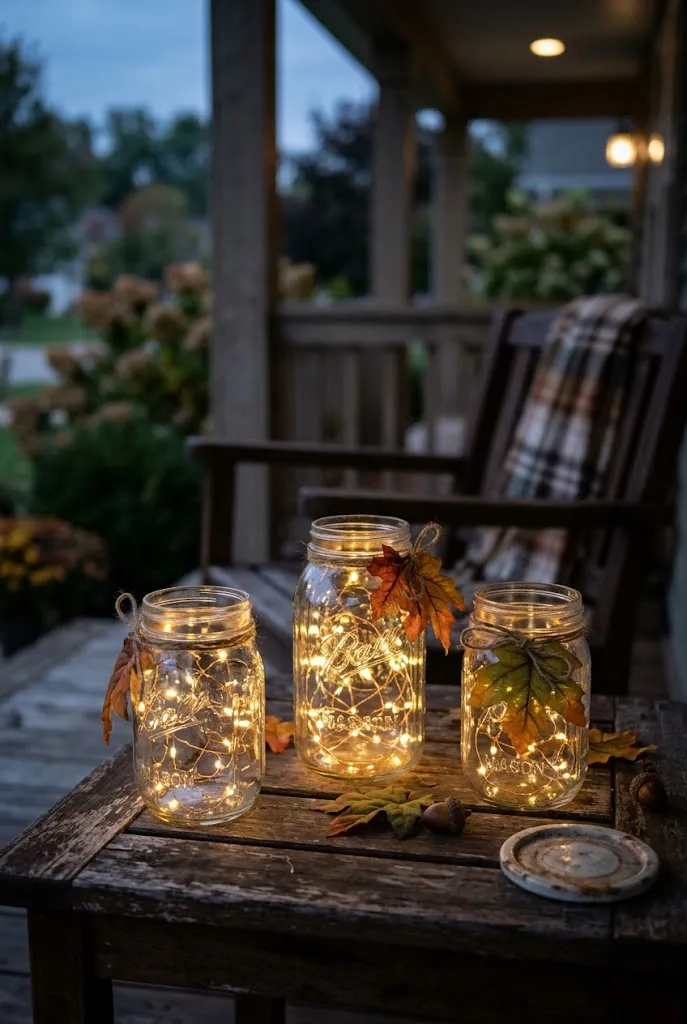
Mason jars wrapped in twine or filled with small battery-powered fairy lights create a warm glow for a porch table, shelf, or windowsill. Add a few faux leaves or a sprig of dried berries inside for color.
For outdoor use, choose lights rated for outdoor conditions, and keep real candles in jars away from dry leaves and decorations.
- Clean the jar and remove the label.
- Wrap the neck with twine.
- Add the lights and a few leaves.
21. Warm Up the Lighting With Soft Bulbs and String Lights
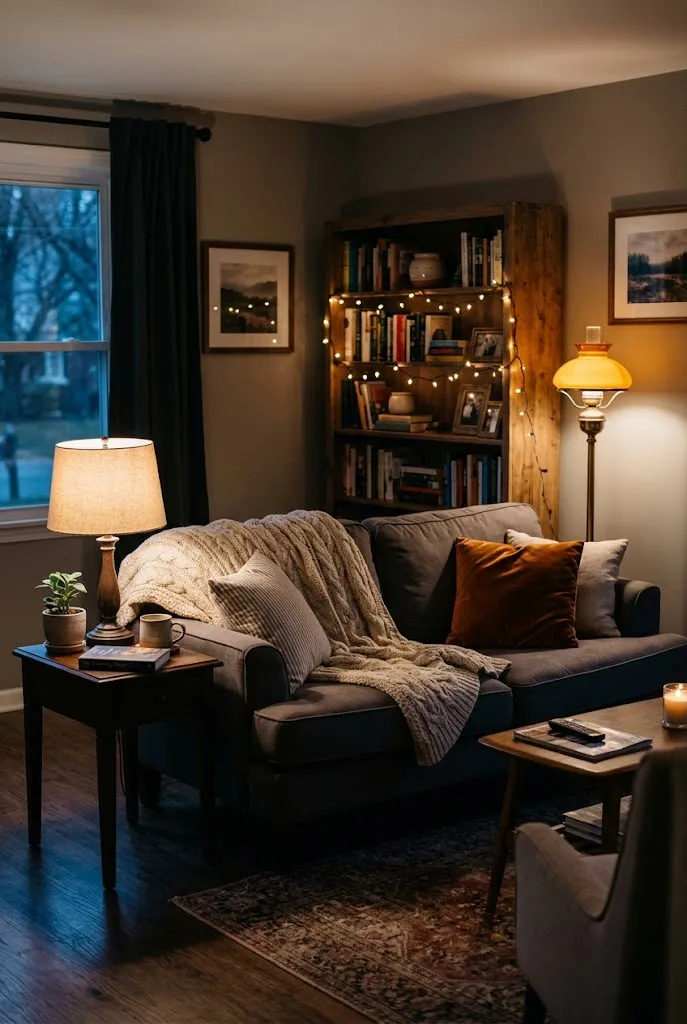
Lighting changes the mood of a room faster than any object. Replacing cool white bulbs with warm white ones (often labeled around 2700K) makes a room feel instantly softer, and the cost is minimal. Add a string of warm lights along a bookshelf or around a window for extra glow.
Editor’s Note: Dimmable bulbs and a lamp with a dimmer switch let you adjust the mood from bright in the afternoon to low in the evening.
Aim for several small sources of light at different heights instead of one bright overhead fixture.
22. Swap Wall Art for Botanical Prints
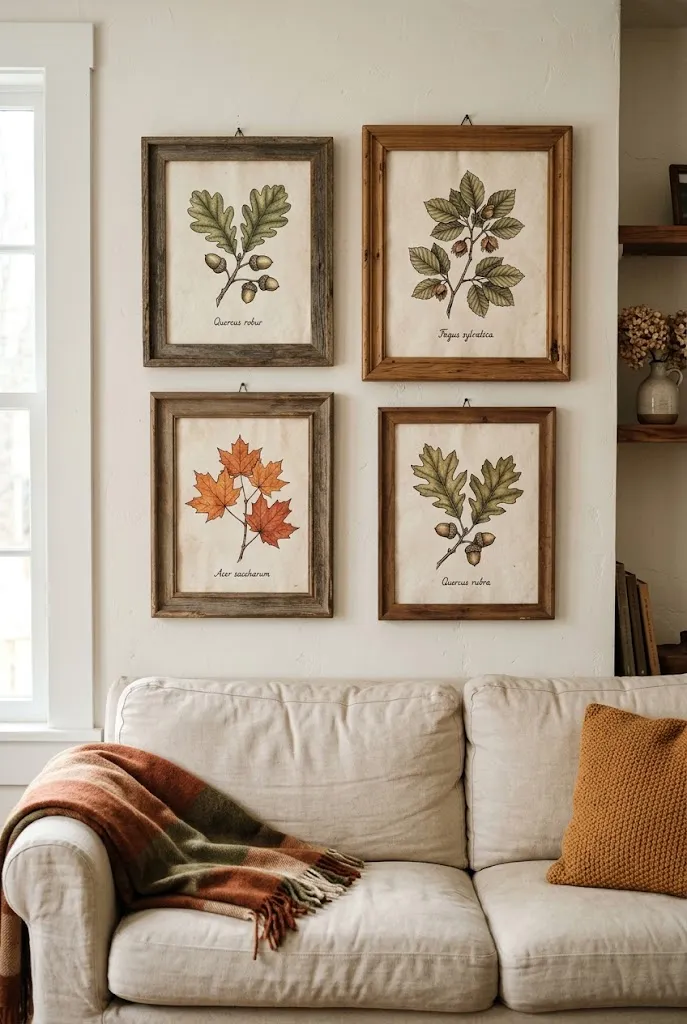
Public-domain botanical illustrations of leaves, acorns, and berries can be printed at home or at a copy shop for very little. Put them in thrifted frames and hang them in place of your usual art for the season.
Choose a consistent color palette, such as muted browns, greens, and golds, so the group looks curated. Make sure any images you use are genuinely in the public domain or licensed for personal use.
23. Style a Kitchen Windowsill With Mini Pumpkins and Herbs
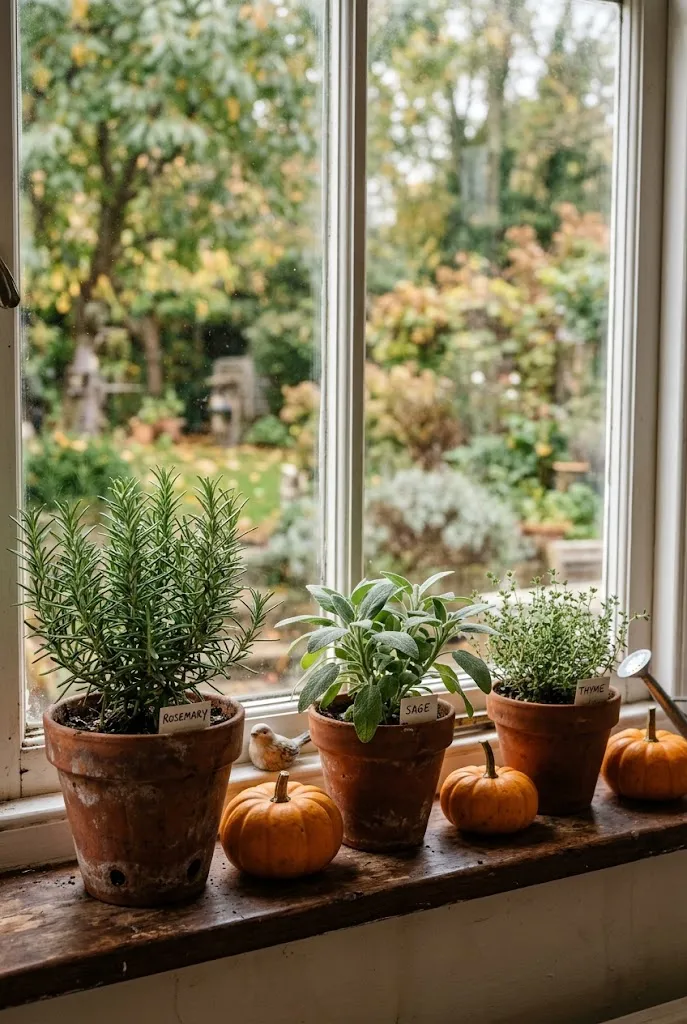
A windowsill is a small stage that’s easy to refresh. Line up a few mini pumpkins with pots of rosemary, thyme, or sage for a display that’s both decorative and useful. Herbs need adequate light and drainage, so choose the sunniest sill if you plan to keep them alive.
24. Refresh the Guest Bathroom With Fall Textiles
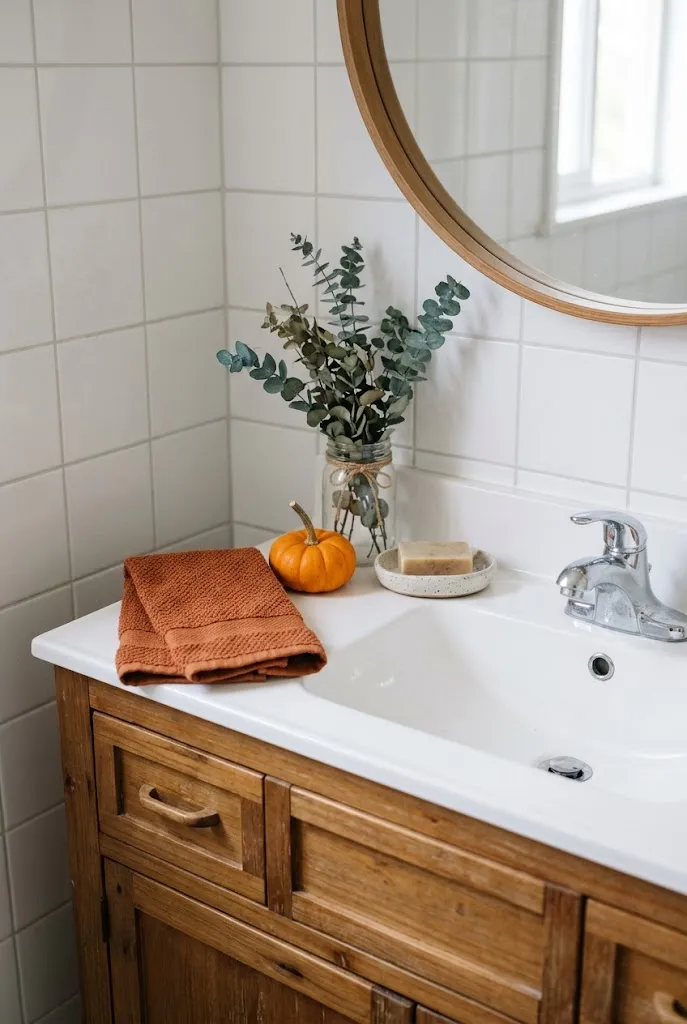
A bathroom needs only a few changes. Swap in rust or mustard hand towels, add a small bowl of dried leaves or a mini pumpkin on the counter, and place a scented soap in a ceramic dish. A sprig of dried eucalyptus tucked into a jar adds a spa-like touch.
Keep decor away from the splash zone, and avoid real plants or wood that could be damaged by humidity unless they’re meant for it.
25. Layer the Bed in Flannel and a Rust Quilt
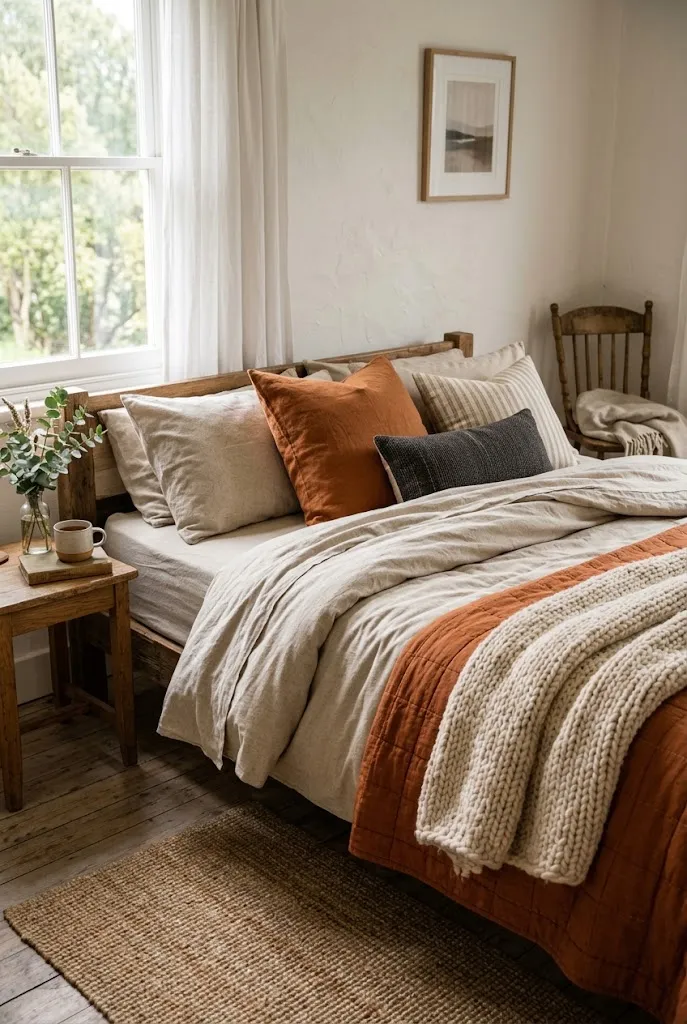
Bedding is a worthwhile place to spend a little more, since you use it every day. A flannel duvet cover or a quilt in rust, oatmeal, or plaid makes a bedroom feel warmer, and a chunky knit throw folded at the foot adds texture. Layer in this order: sheet, duvet or quilt, throw, then pillows.
| Option | Advantage | Best Fit |
|---|---|---|
| Flannel sheets | Soft and warm | Cold climates |
| Quilt | Layerable, adds pattern | Mild to cool climates |
| Throw only | Cheapest update | Tight budgets |
26. Use a Wooden Crate as a Display Riser
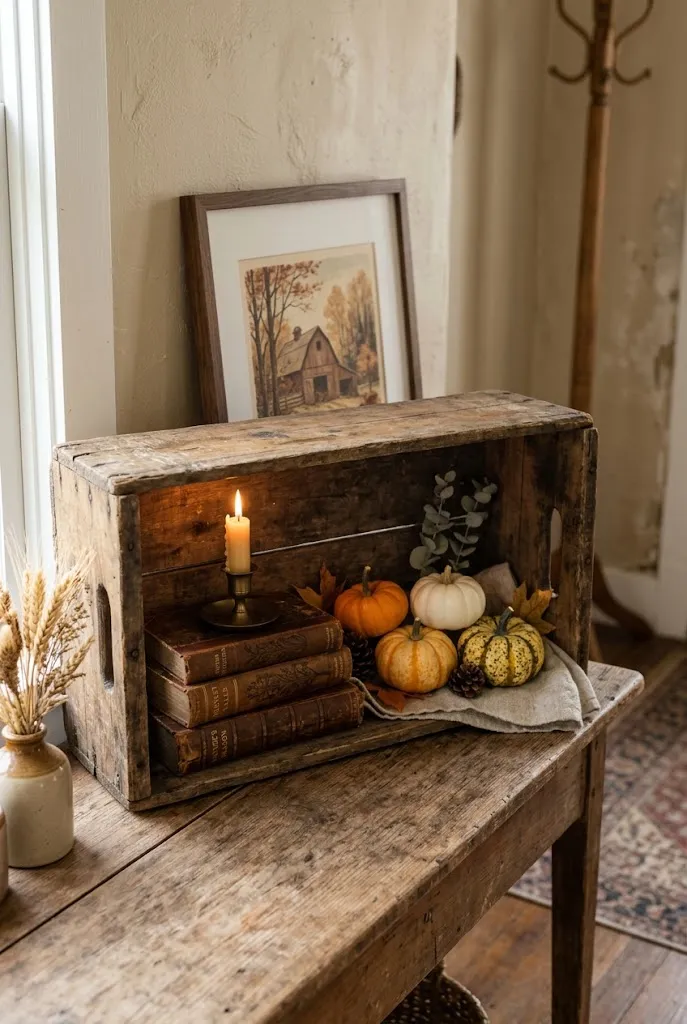
A thrifted wooden crate turned on its side gives you an instant riser for pumpkins, candles, or books. Height variation is what makes a vignette look arranged, and a crate adds it without any extra purchase. Sand rough edges and wipe it clean before bringing it inside.
Place a smaller crate or a stack of books on top for a second level, and fill the open side with a basket or a few small gourds.
27. Refresh the Entryway With a New Mat and a Row of Hooks
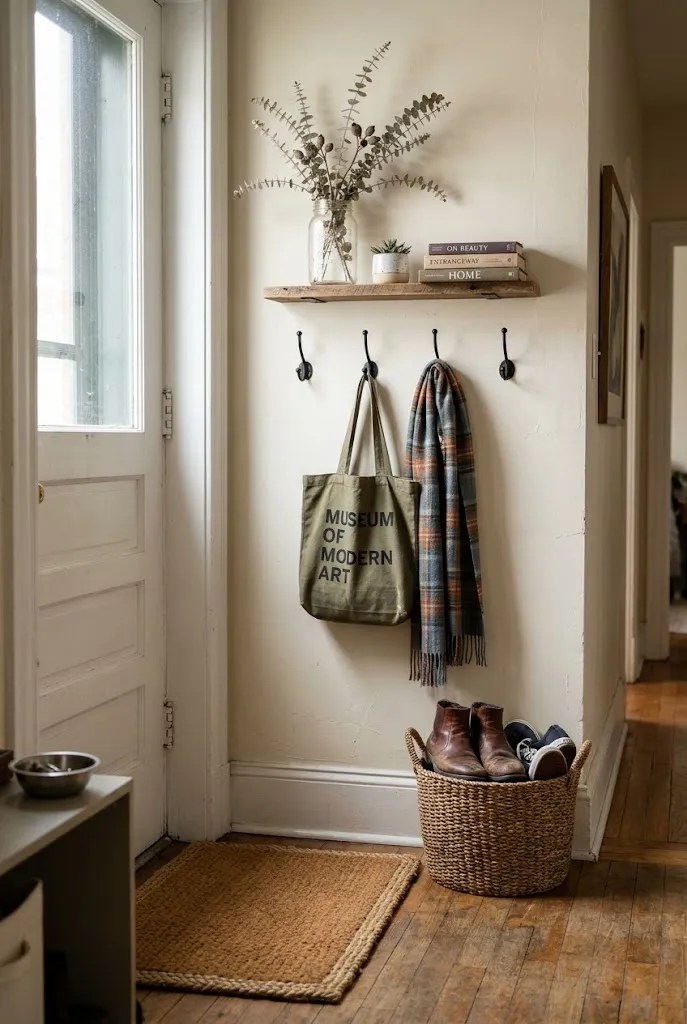
The entryway is the first thing guests see, so a few small changes go a long way. Replace the doormat with a plain coir or striped one, and add a row of simple hooks with a scarf or tote bag hanging from one. A small basket for shoes and a seasonal stem in a jar finish the look.
Renters can use removable adhesive hooks within their weight limits, so no drilling is required.
How to Make the Season Last Without Spending More
- Reuse neutral pieces like branches, baskets, and candles into winter.
- Buy real pumpkins late in October, when many shops mark them down.
- Store painted or faux items flat in a labeled bin for next year.
Choosing Where to Start
If you only have time for a few changes, begin with lighting, one textile swap, and one centerpiece. Those three usually change the feel of a room more than any number of small accessories. Add the rest gradually, and keep what you love into next season.