

A cozy living room rarely comes from one big purchase. It usually comes from a handful of small decisions: where the light sits, what your feet and hands touch, and whether the sofa invites you to stay. This collection of cozy living room ideas covers 30 distinct approaches, from five-minute styling changes and renter-friendly swaps to upgraded furniture and custom millwork. Some are meant for compact apartments, others for larger family rooms. Pick the ones that suit your space, your budget, and how you really use the room.
1. Layer Warm Lighting at Three Different Heights
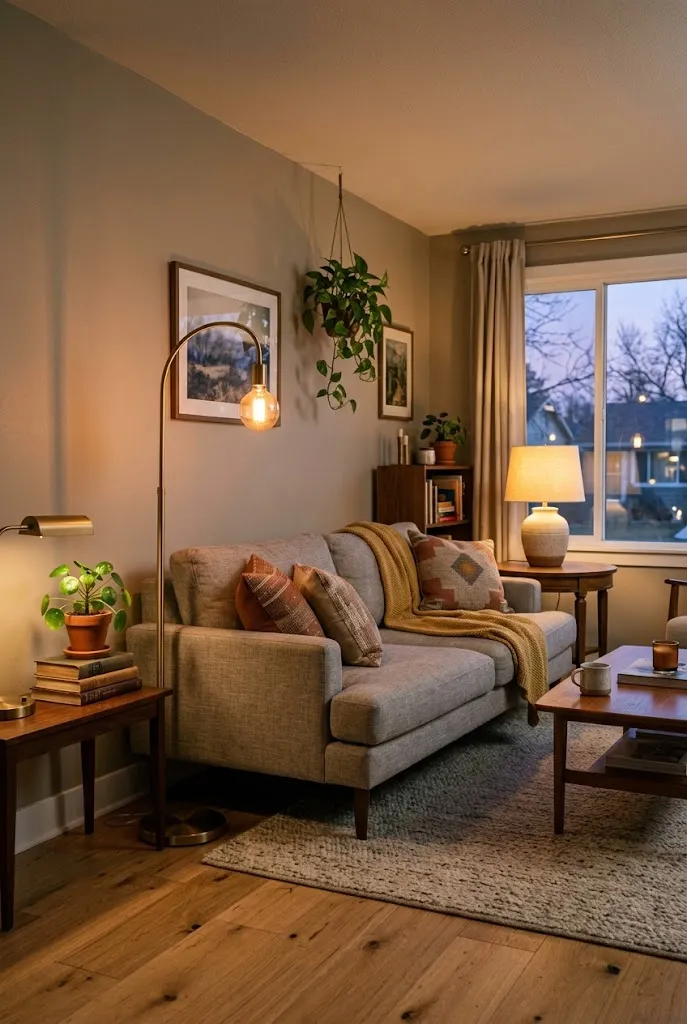
Overhead lighting alone flattens a room. Cozy spaces usually combine a floor lamp near the seating, a table lamp on a side table or console, and one low accent light, such as a small lamp on a bookshelf. Choose bulbs labeled “soft white” or around 2700K, which reads as warm and amber instead of clinical.
- Place at least one lamp at seated eye level so the glow isn’t glaring.
- Use fabric or linen shades to diffuse the light.
- Put the overhead fixture on a dimmer if you can.
Quick Tip: If you only change one thing in a room that feels cold, swap the bulbs first. It’s the cheapest fix with the biggest effect.
2. Drape a Chunky Knit Throw Over the Sofa Arm

A throw works because it signals comfort the moment someone walks in. Chunky wool-blend or cotton knits add visible texture, while a smaller throw draped casually gives you something to grab on a cool evening. Fold it loosely instead of folding it into a perfect square.
Common Mistake: Choosing a throw in the exact color of the sofa, which disappears.
Better Approach: Pick a tone one or two shades warmer or deeper, such as oatmeal on a gray sofa, so the texture reads.
Keep a basket nearby for a second throw if the room is used by more than one person.
3. Anchor the Seating With a Large, Soft Rug
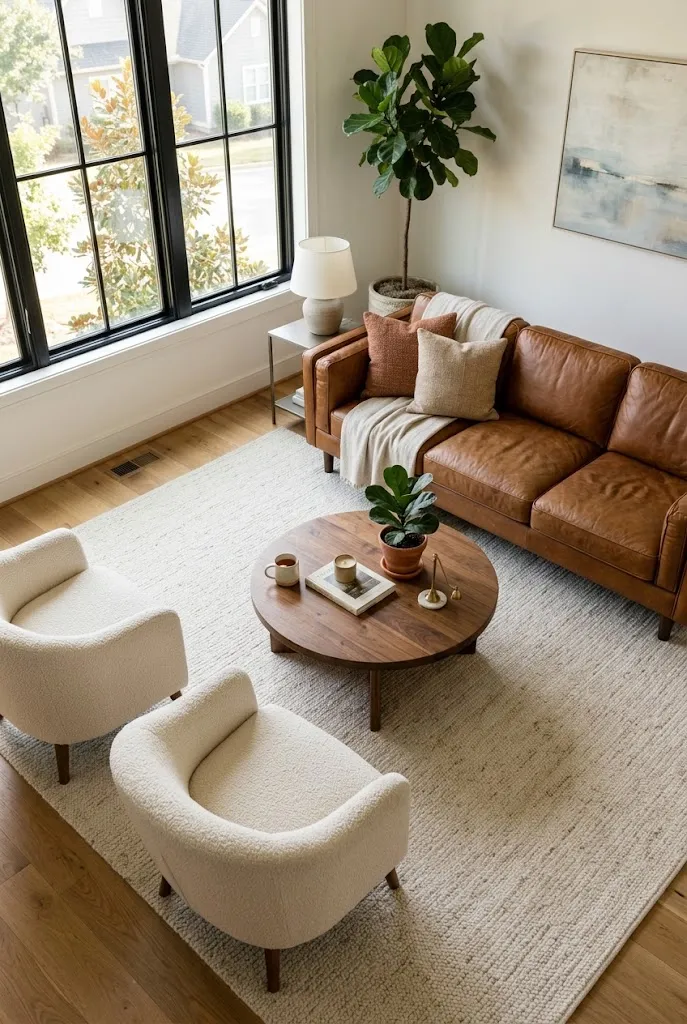
A rug that’s too small makes a room look disconnected. In most living rooms, the front legs of the sofa and chairs should sit on the rug, which usually means an 8×10 or 9×12 in a medium-sized room. Wool and wool blends feel good underfoot and hold up well to foot traffic.
| Pile Type | Feel | Best Fit |
|---|---|---|
| Low pile | Flat, easy to vacuum | Homes with pets, kids, or heavy traffic |
| Medium pile | Soft but manageable | Most family living rooms |
| High pile | Plush, shaggy | Quiet reading corners, adults-only rooms |
Add a rug pad underneath. It prevents sliding and adds cushioning.
4. Choose a Warm Paint Color Instead of Stark White
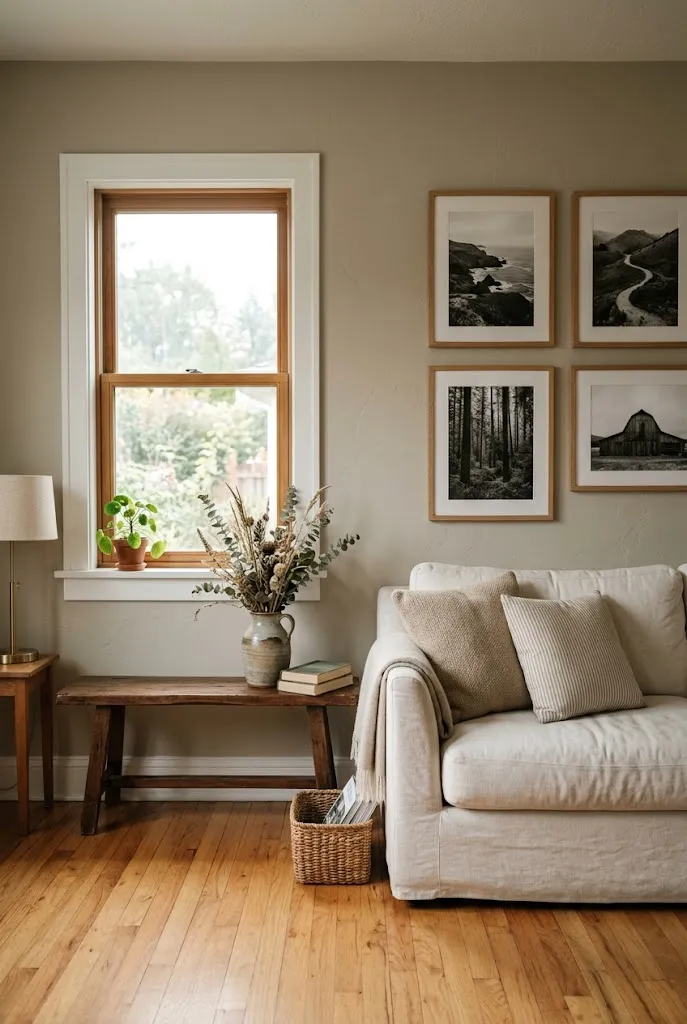
Bright builder-white walls can feel cool, especially in rooms with north-facing windows. Warm whites with a creamy undertone, soft greiges, and muted clay or sand tones make a room feel enveloped without darkening it. Always test samples on at least two walls and look at them in morning, afternoon, and evening light before committing.
Renters should check their lease first. Many landlords allow paint if you return the walls to the original color, and removable options (see idea 24) are worth considering.
5. Mix Pillow Textures Instead of Matching Sets

A cozy sofa usually has pillows that feel different, not just look different. Combine something nubby (boucle or chenille), something smooth (linen or cotton), and one with pattern or embroidery. Keep the color range narrow, perhaps three related tones, so the mix feels collected rather than chaotic.
- Use a 22-inch pillow in the back corners and smaller sizes toward the front.
- Choose inserts that are slightly larger than the cover for a fuller look.
- Add one lumbar pillow for variety.
6. Add a Boucle or Sherpa Accent Chair in a Reading Corner

An accent chair gives the room a second place to settle. Boucle and sherpa-style fabrics are visually soft, and a chair angled toward the room instead of flat against the wall looks more inviting. Pair it with a small side table and a lamp to create a defined reading corner.
Quick Facts
Best For: Rooms with an empty corner or an awkward window nook
Investment: Moderate
Visual Effect: Adds a second conversation point and a softer silhouette
7. Hang Curtains High and Wide for Softer Window Light

Curtains do more than cover glass. When mounted a few inches above the window frame and extended beyond the sides, they make ceilings look taller and let the glass stay clear of fabric. Linen or cotton-blend panels in a light weight filter sunlight rather than blocking it, which keeps the room glowing in the daytime.
- Mount the rod 4–6 inches above the window frame, or closer to the ceiling if space allows.
- Extend the rod 8–12 inches past each side of the frame.
- Choose a length that just kisses the floor or hovers a fraction above it.
8. Build a Fireplace Moment, Even Without a Working Fireplace
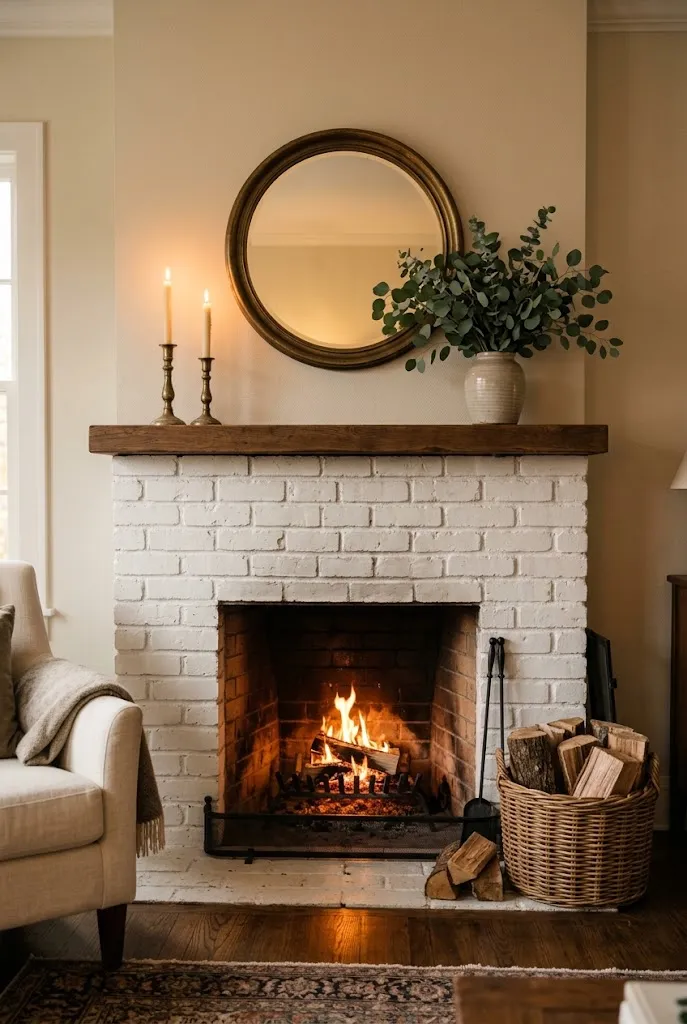
A hearth is a natural focal point, but not every home has one. If yours does, style the mantel with a few layered pieces: a mirror or large art, a pair of candlesticks, and something organic such as branches or greenery. If it doesn’t, an electric fireplace insert, a freestanding unit, or even a framed, decorative candle cluster on a console can create a similar gathering spot.
Editor’s Note: Check manufacturer clearance rules before placing anything near a working fireplace or an electric unit. Candles and fabric should stay clear of heat sources.
9. Use a Low, Round Coffee Table in Tighter Rooms

Round tables remove sharp corners, which helps traffic flow and makes a room feel less boxy. In small living rooms, a low-profile round or oval table keeps sightlines open. Wood, travertine, or a matte-finish metal all work; the key is scale. Leave at least 16–18 inches between the table and the sofa so legs and drinks can move comfortably.
Consider a nesting pair if you entertain often, since the second table can slide away when you need floor space.
10. Bring In Real Plants for Softness and Life
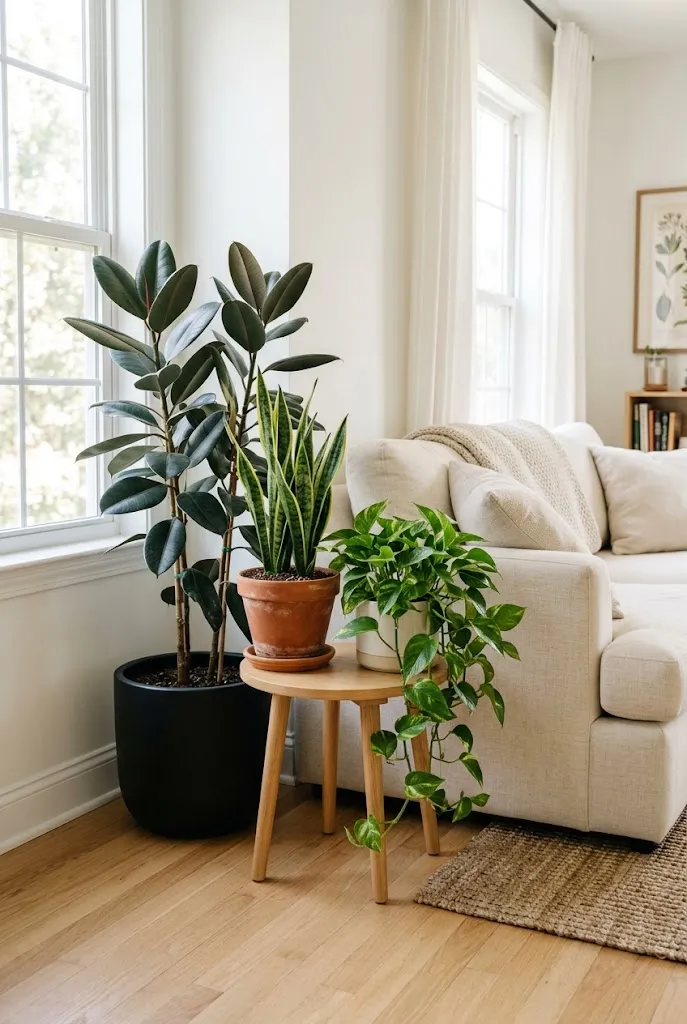
Plants soften hard lines and add a living texture. Choose varieties that suit your light: a snake plant or ZZ plant tolerates lower light, while a fiddle-leaf fig, rubber plant, or monstera prefers bright, indirect light. Group two or three at different heights rather than scattering single plants around the room.
- Match pots in material, such as terracotta or glazed stoneware, to keep things calm.
- Always use pots with drainage or a nursery pot inside a decorative cachepot.
- Check pet safety, since some common houseplants are toxic to cats and dogs.
11. Choose a Deep, Moody Paint Color for a Cocoon Effect
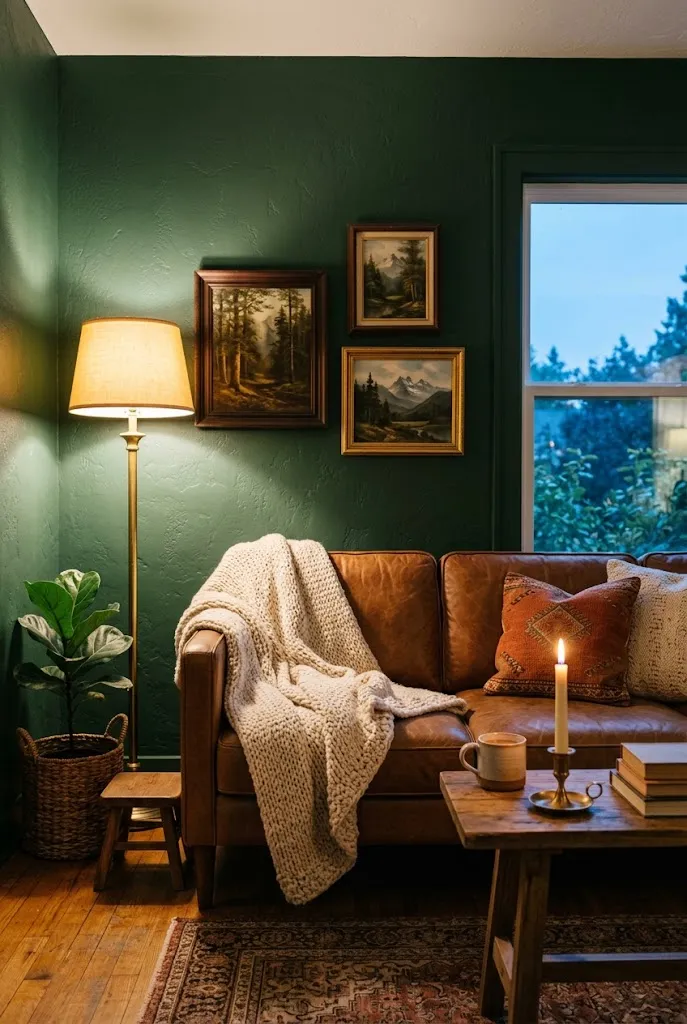
Dark colors like deep green, charcoal, navy, or chocolate brown can make a room feel wrapped and intimate. They work best when paired with plenty of warm lighting and lighter furniture or textiles to balance the depth. A matte or eggshell finish absorbs light rather than reflecting it, which supports the cozy feeling.
| Option | Effect | Best Fit |
|---|---|---|
| Full room in deep color | Enveloping, dramatic | Rooms used mostly in the evening |
| One deep accent wall | Anchors the sofa or fireplace | Smaller rooms or renters |
Editor’s Note: Dark paint can make dim rooms feel smaller. Weigh that tradeoff before committing, and test samples thoroughly.
12. Add Warm Wood Tones Through Furniture and Shelving

Wood brings warmth almost automatically. Mixing finishes is fine as long as undertones feel related: oak, walnut, and teak can coexist if the grain and sheen aren’t wildly different. A single large wood piece, such as a media console or bookcase, can set the tone, and smaller wooden accents repeat it.
Avoid matching every wood item exactly. A slightly varied collection feels collected rather than showroom-matched.
13. Create a Candle and Lantern Vignette

Candlelight is one of the fastest ways to change the mood of a room at night. Group candles in odd numbers at different heights on a tray, coffee table, or mantel. Add a lantern or hurricane glass for extra flicker. If you prefer to avoid open flames, flameless LED candles with a warm flicker are a practical alternative, especially around pets and kids.
Quick Tip: Use a small tray to define the grouping. It looks intentional and keeps wax or drips contained.
14. Zone a Large Room Into Smaller, Cozier Areas

Big rooms can feel empty and echoey. Dividing them into zones, such as a conversation area, a reading nook, and a media or game area, creates intimacy. Floating the sofa away from the wall and defining each zone with its own rug and lighting makes the room feel purposeful.
- Choose the main gathering zone and place the primary sofa and chairs around it.
- Add a separate corner for a chair, lamp, and side table.
- Use a console behind the sofa to mark the boundary between zones.
15. Install a Window Seat With Built-In Storage
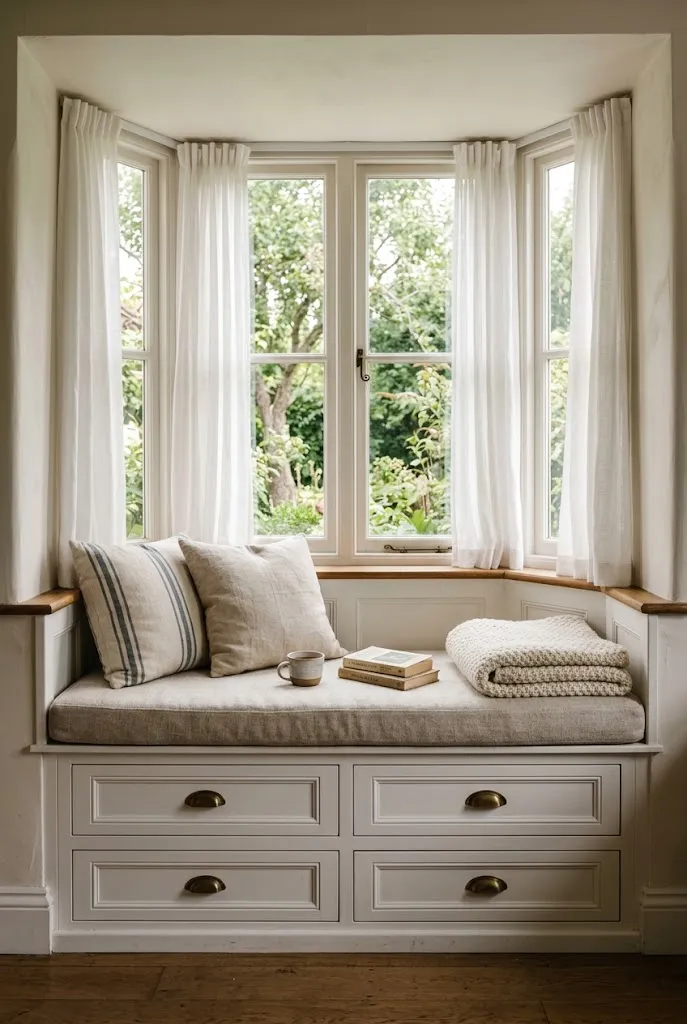
A window seat gives you a cozy perch and hidden storage. It works well under a bay window or along a wall of windows. Add a cushion cut to size and a few pillows. Drawers or lift-up lids underneath store blankets, board games, or kids’ toys.
Best For: Homeowners comfortable with carpentry or a budget for a carpenter
Investment: Moderate to premium
Visual Effect: A built-in, finished look that adds seating without taking floor space
A simpler version: place a long storage bench or ottoman under the window and top it with a cushion.
16. Style an Open Bookshelf With Books, Objects, and Breathing Room
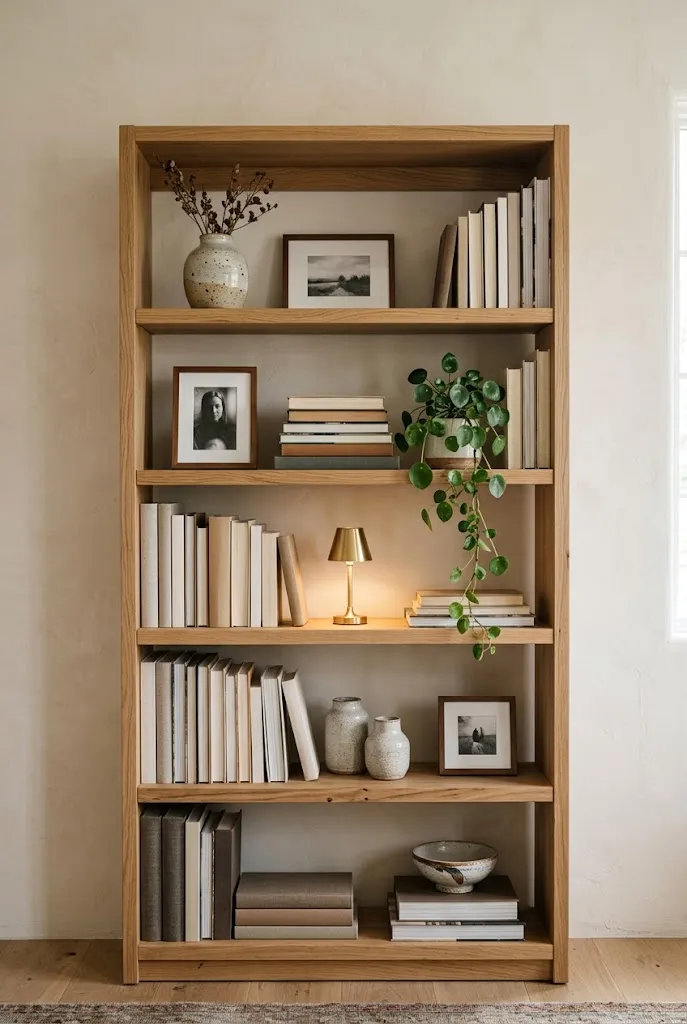
A cozy shelf looks lived in but not crowded. Mix horizontal and vertical book stacks, add a few objects such as ceramics, a small plant, or framed photos, and leave some empty space so the shelf can breathe. Arranging by color or by scale is a design choice, not a rule.
- Keep heavier items on lower shelves.
- Repeat a material, like brass or wood, across a few shelves.
- Add a small lamp or picture light for evening glow.
17. Add a Cozy Reading Nook Under the Stairs or in a Corner
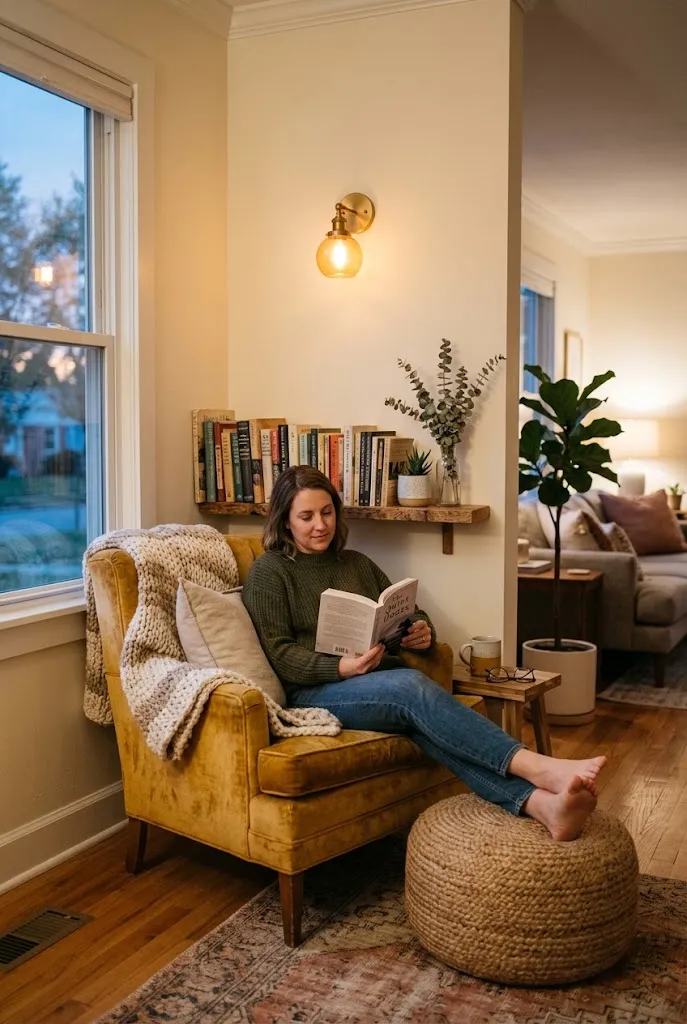
Almost any awkward corner can become a nook. Put in a comfortable chair or a floor cushion, a slim bookshelf or floating shelf, and a small lamp. A throw and a footstool finish the setup. The key is making it feel enclosed and personal, so choose one color family and avoid overfilling it.
Editor’s Note: Make sure the nook has a good reading light and a place to set a drink, or it won’t get used.
18. Swap Hard Surfaces for Natural Materials Like Jute, Wool, and Linen

Cozy rooms lean on natural fibers: jute or sisal rugs, wool throws, linen upholstery, cotton curtains, woven baskets. Natural materials age well and add visible texture without feeling fussy. If you’re upgrading a single piece, upholstery and rug fabric make the biggest difference.
| Material | Feel | Practical Note |
|---|---|---|
| Wool | Warm, soft, naturally resilient | Often more expensive, cleans well when treated |
| Linen | Relaxed, breathable | Wrinkles naturally |
| Jute | Textured, earthy | Can feel rough underfoot, best as a base layer |
19. Hang Large Art or a Gallery Wall Above the Sofa
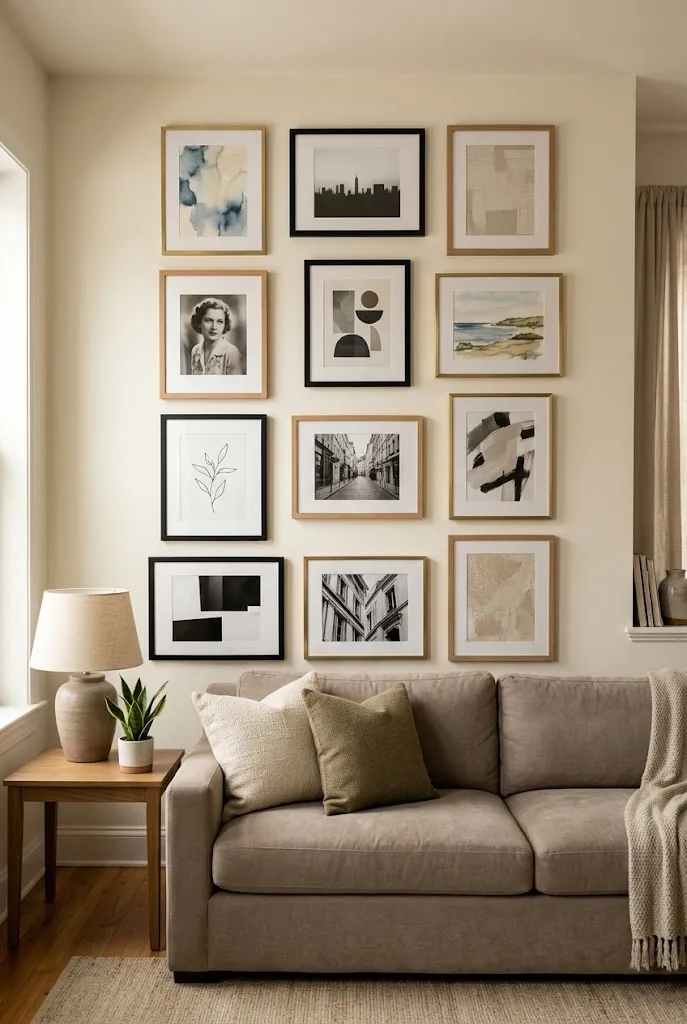
Art makes a room feel personal. A single oversized piece is quiet and calm. A gallery wall tells a more layered story. If you go with a gallery wall, plan the layout on the floor or with paper templates, keep spacing consistent at 2–3 inches, and hang the center of the arrangement around 57–60 inches from the floor.
Do: Use frames in related finishes, mix photo sizes, and include a few non-photo elements.
Don’t: Hang art too high above the sofa. It should relate to the furniture, not float on its own.
20. Build Layered Window Treatments With Sheers and Drapes
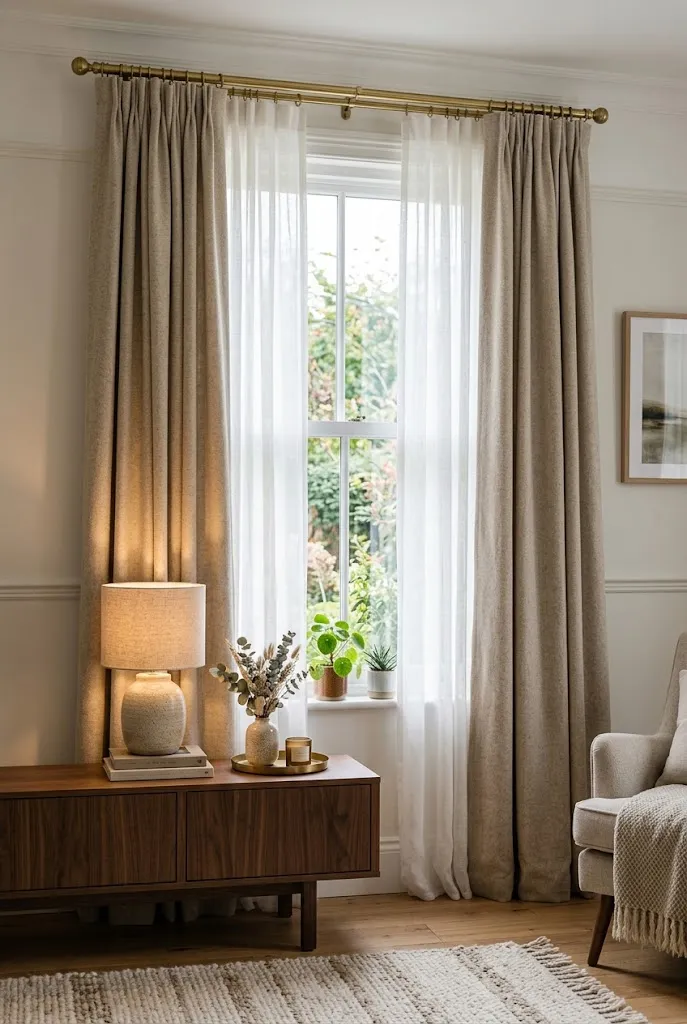
Combining sheer panels and heavier drapes gives you control. Sheers soften daylight and give privacy. Heavier panels add warmth in winter and block out evening light. Hang them on a double rod or two separate rods for a layered, finished look.
- Mount the sheer layer closest to the window.
- Add a heavier drape layer on the outer rod.
- Use ties or holdbacks to shape the drapes in the daytime.
21. Add an Upholstered Ottoman That Doubles as Seating and Storage

A storage ottoman replaces a coffee table or sits beside it. Pick a fabric that’s easy to clean, such as performance velvet or tightly woven cotton blends. Add a tray on top to create a stable surface for drinks. Inside, tuck throws, extra pillows, or remotes.
Quick Facts
Best For: Small living rooms, family rooms with kids
Investment: Accessible to moderate
22. Choose a Sofa With Deep Seats and Soft Arms

Comfort starts with the sofa. Deep seats, rounded arms, and a down-blend or high-density foam fill make a sofa inviting. Slipcovered styles are easier to clean and refresh. If you’re replacing a sofa, sit on it in a store before buying, and check the dimensions against your room and your doorways.
Common Mistake: Choosing a sofa purely for the look. A sleek, shallow sofa often photographs well but feels less comfortable.
Better Approach: Choose a seat depth around 36–40 inches if you like to curl up, and look for removable cushion covers.
23. Use a Warm Neutral Palette With One Earthy Accent Color

A restrained palette keeps a room calm. Build it on cream, oat, tan, and soft brown, then add one earthy accent, such as terracotta, sage, rust, or deep olive, repeated in three or four places: a pillow, a vase, an art print, and a throw. The repetition ties the room together.
- Pick the accent first, then choose neutrals that complement it.
- Add a few darker tones, like walnut or charcoal, for contrast.
24. Try Renter-Friendly Fixes: Peel-and-Stick, Plug-In Sconces, and Rugs
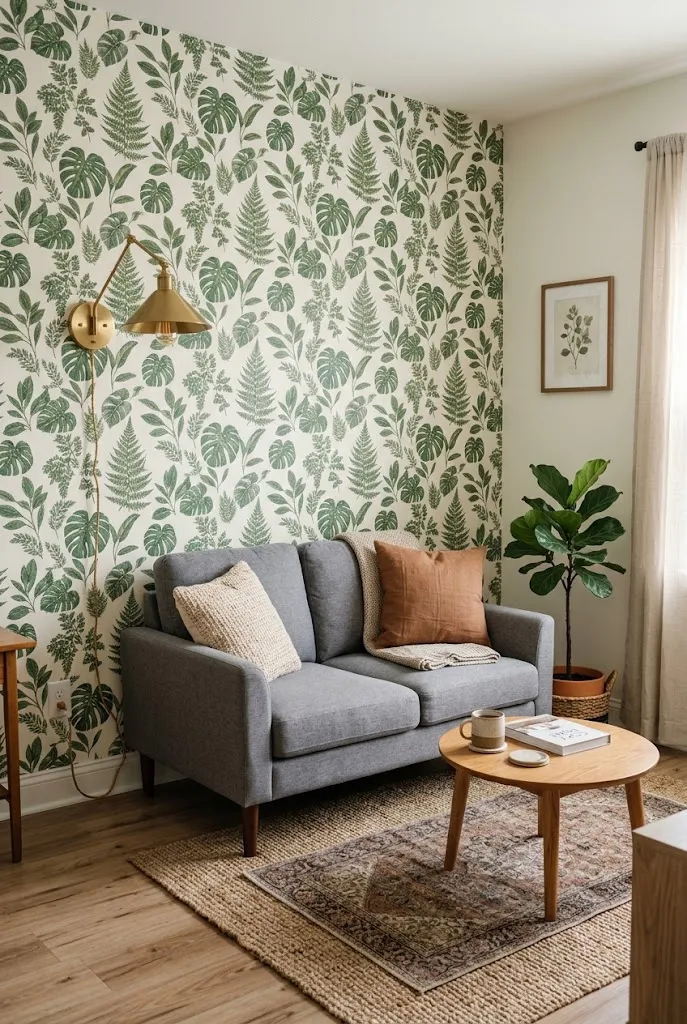
If you can’t change the walls or fixtures, work with removable options. Peel-and-stick wallpaper on a single accent wall, plug-in wall sconces with cord covers, and layered rugs over unattractive flooring all add warmth without risking your deposit. Test a small patch of wallpaper in an inconspicuous spot first.
Do: Keep original lighting fixtures stored safely if you swap them.
Don’t: Use strong adhesives on older paint, which can peel off with the product.
25. Set Up a Cozy Media Wall With Concealed Cables and Warm Lighting
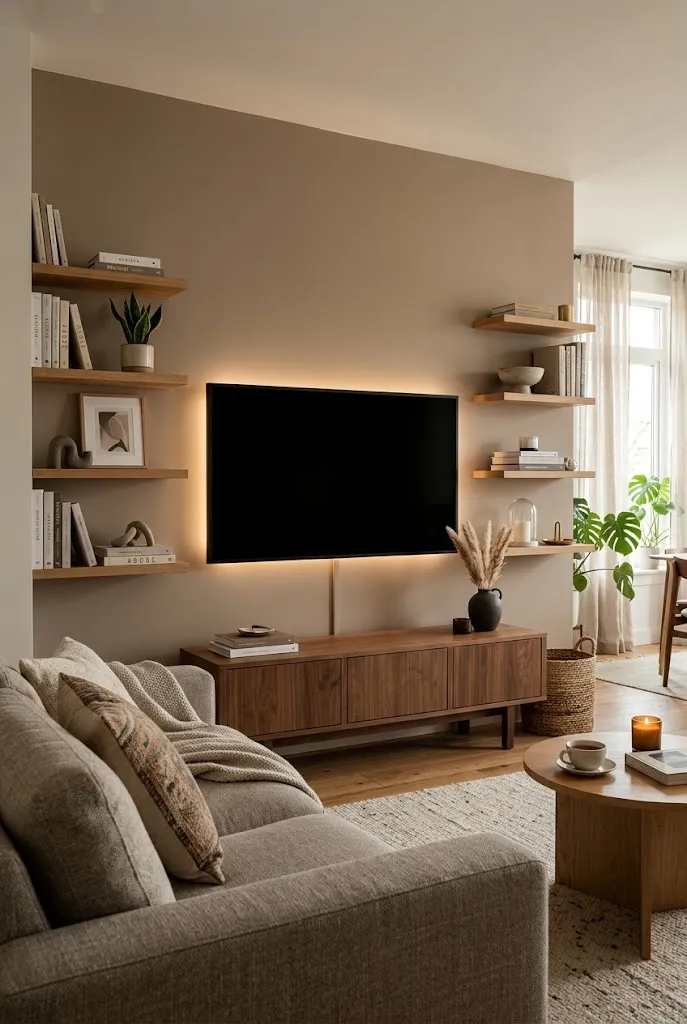
A TV can dominate a room. Soften it by painting the wall a deep or warm color, adding shelves or art around it, and tucking cables behind a cord cover or in-wall kit if you’re able. A strip of warm LED lighting behind the TV creates a soft halo that reduces eye strain in dim rooms.
Editor’s Note: Follow manufacturer guidance for in-wall wiring and use qualified help when electrical work is involved.
26. Add Wall Paneling or Board-and-Batten for Architectural Warmth
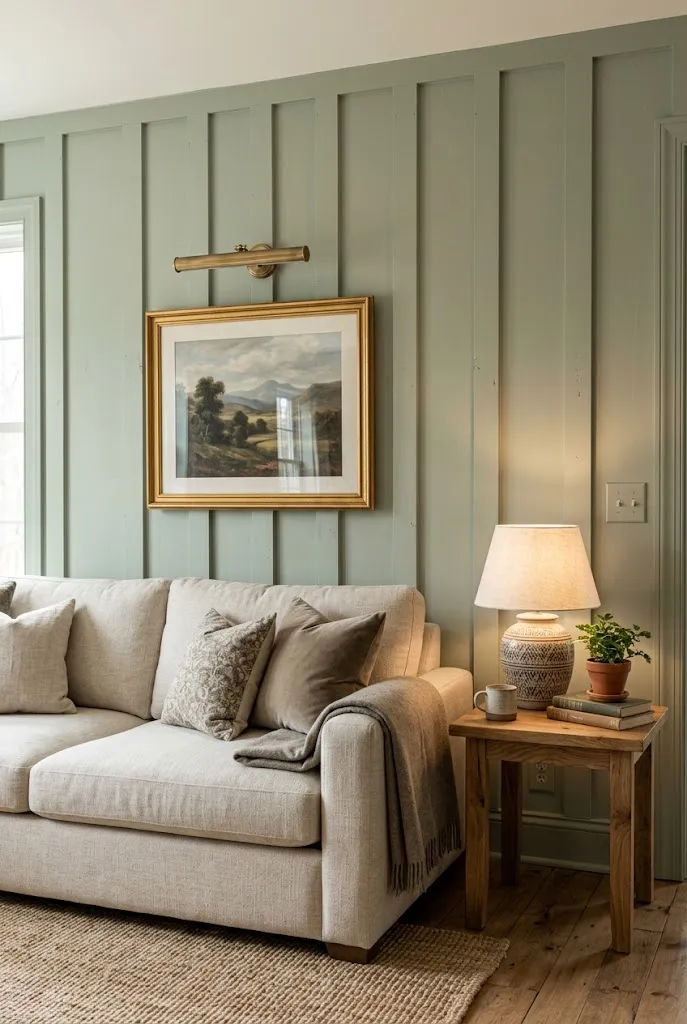
Applied molding gives plain walls depth and a finished look. Board-and-batten, picture-frame molding, or vertical slat paneling can be painted in a warm or muted color to add a layered feeling. A simplified DIY version using MDF strips works for many homeowners, while custom millwork offers precision and a premium finish.
| Option | Investment | Best Fit |
|---|---|---|
| DIY board-and-batten | Accessible | Confident DIYers, standard rooms |
| Custom millwork | Premium | Older homes, high-end renovations |
27. Style Fresh or Dried Florals for a Seasonal Touch

Flowers bring seasonal color and scent. Keep arrangements simple: a single stem vase, a bunch of grocery-store tulips in a ceramic pitcher, or a dried-pampas arrangement that lasts for months. Place them where you’ll see them, such as a coffee table, console, or mantel, and replace or refresh as seasons change.
Quick Tip: Trim stems at an angle and change the water every couple of days to extend fresh flowers.
28. Create a Hot-Drink Station on a Console or Cart

A small beverage cart or console shelf turns a corner into a gathering point. Stock it with a kettle or coffee maker, a few mugs, tea tins, a small tray, and a jar of cocoa or sugar. It gives guests something to do and gives you a reason to linger.
- Keep the setup compact so it doesn’t read as kitchen overflow.
- Use matching or coordinated mugs for a cleaner look.
- Place everything on a tray to contain spills.
29. Use Mirrors to Bounce Light Into Dark Corners

Mirrors double the effect of lamps and windows. Place a large mirror opposite or beside a window to reflect daylight, or lean an oversized floor mirror in a dim corner. Choose frames in warm wood or aged brass for coziness rather than a stark metal edge.
Common Mistake: Hanging a mirror where it reflects clutter or a blank wall.
Better Approach: Position it to reflect a lamp, a plant, or a window so it adds depth instead of repeating mess.
30. Finish With a Basket of Blankets and a Scent That Feels Like Home
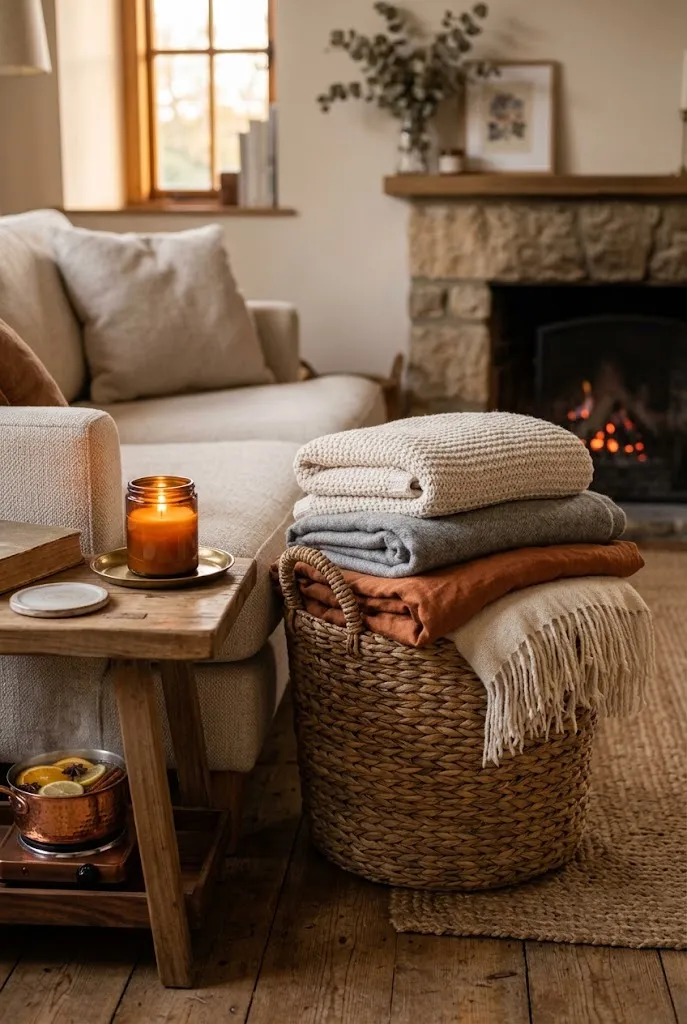
The last layer is sensory. A large woven basket filled with a few folded throws signals comfort, and a subtle scent such as a candle, diffuser, or simmer pot with cinnamon and orange peel makes the space feel lived in. Keep fragrance light so it doesn’t overwhelm guests or bother anyone with sensitivities.
Quick Tip: Wash throws regularly and rotate them seasonally, with lighter cotton in warm months and heavier wool in colder weather.
How to Pick Where to Start
You don’t need all 30 ideas at once. If the room feels cold, start with lighting (idea 1) and textiles (ideas 2, 5, and 30). If it feels cluttered or boxy, try layout changes (ideas 9, 14, and 21). If you rent, focus on ideas 3, 5, 24, and 29. If you’re planning an upgrade, paint, paneling, and a better sofa (ideas 4, 11, 22, and 26) will have the biggest lasting effect.