

The 1970s made a lasting impression on interior design with its expressive color palettes, playful forms, and love of texture. Whether you are drawn to the era’s nostalgic charm or want to add a little more personality to your home, seventies-inspired details can create a space that feels warm, relaxed, and distinctive.
These ideas bring together the bold patterns, earthy materials, and comfortable touches that defined the decade—updated in ways that can still feel right at home today.
Bold Patterns with Geometric Shapes
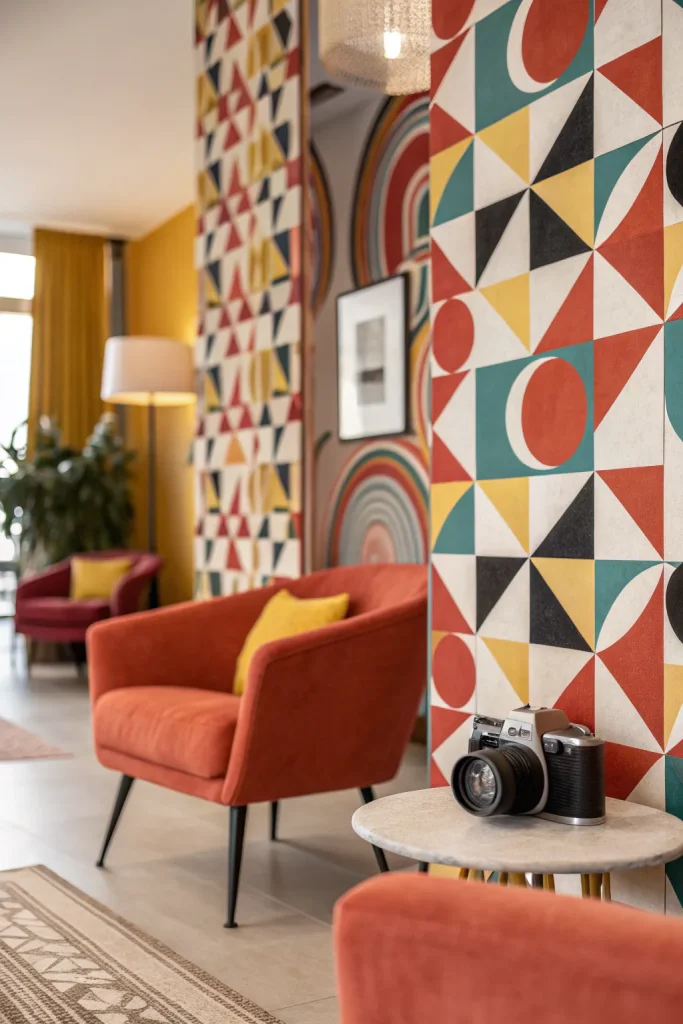
Geometric prints were a signature of seventies style, appearing on wallpaper, upholstery, and window treatments. Introduce triangles, circles, or abstract motifs through curtains, cushions, or a statement chair. Balance the stronger print with solid-colored furnishings so the room feels lively without becoming overwhelming.
Earthy Tones in Upholstery Choices
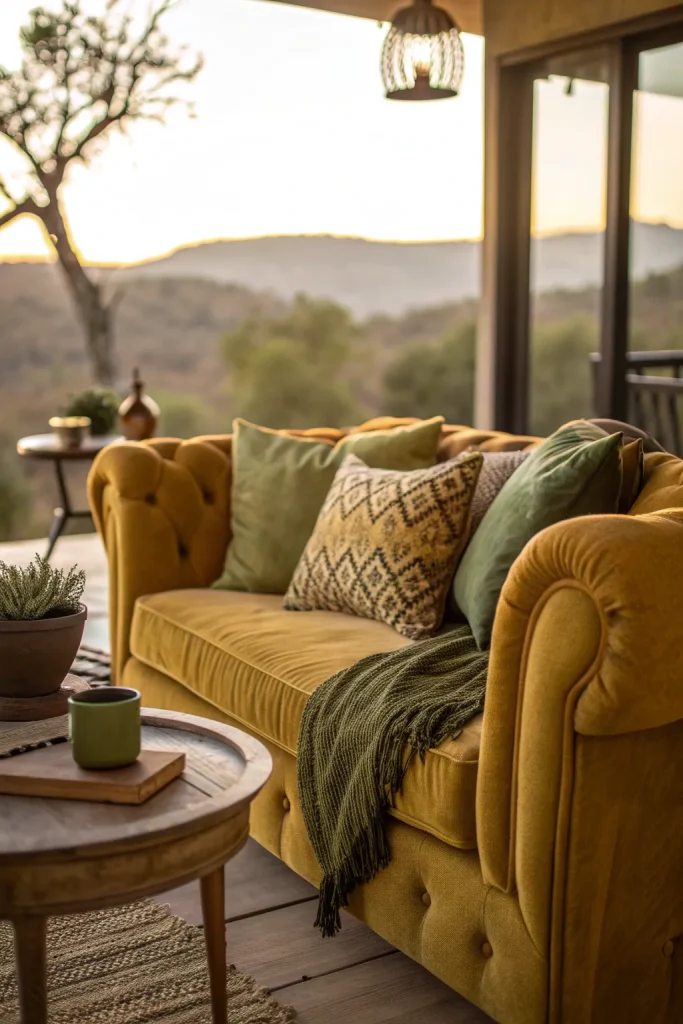
Mustard yellow, olive green, rust, and burnt orange set the tone for many seventies interiors. Use these warm shades on a sofa, accent chair, or upholstered ottoman to make the room feel grounded and inviting. Layering several related earth tones creates a cozy, cohesive look.
Statement Lighting Fixtures in Dining Rooms
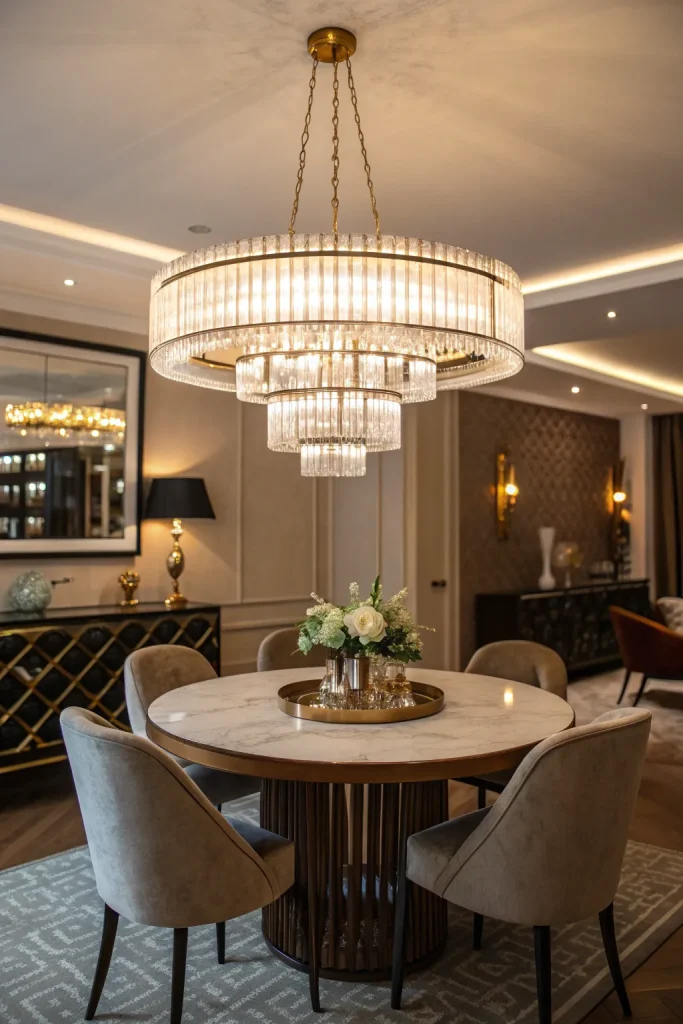
A dramatic light fixture can instantly bring retro character to a dining room. Look for sculptural pendants, globe lights, brass finishes, or chandeliers with an unexpected silhouette. In addition to providing a warm glow, the right fixture creates a striking focal point over the table.
Modular Furniture for Flexible Spaces
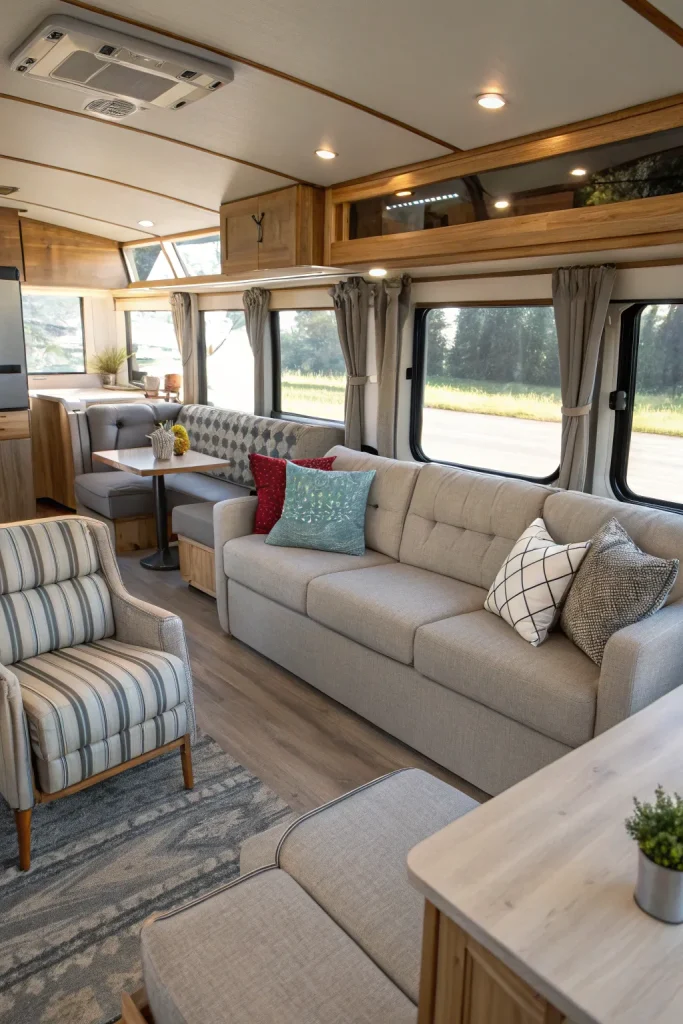
Modular furniture suits the relaxed, adaptable spirit of seventies design. Sectional sofas, stackable seating, and movable pieces allow you to change the layout whenever needed. This approach is especially useful in homes where the living area needs to work for entertaining, relaxing, and everyday life.
Vintage Wall Art Featuring Iconic 70s Imagery
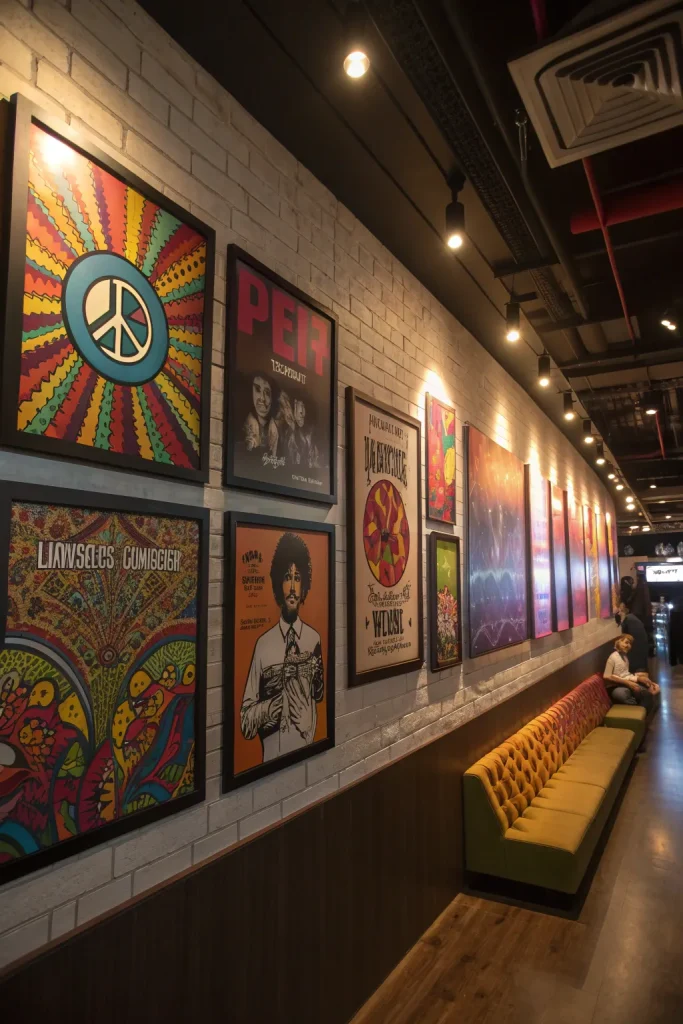
Seventies-inspired art adds instant color and personality to plain walls. Choose psychedelic prints, abstract graphics, music posters, or pop-culture imagery that reflects the era. A few framed pieces can create an engaging display and give the room a more collected feel.
Use of Shag Carpets for Textural Contrast
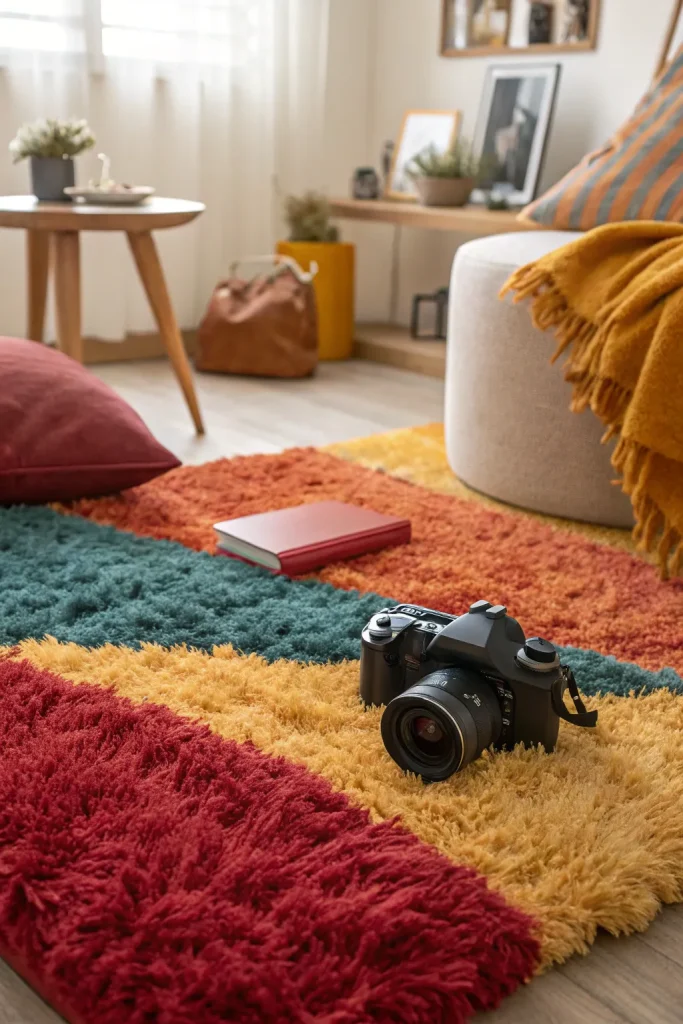
Shag carpeting and deep-pile rugs bring softness, warmth, and unmistakable retro appeal. Choose a bold color for a true throwback statement, or use a neutral shade for a subtler interpretation. Either way, the plush texture makes the room feel more comfortable and relaxed.
Colorful Accent Walls with Retro Paints
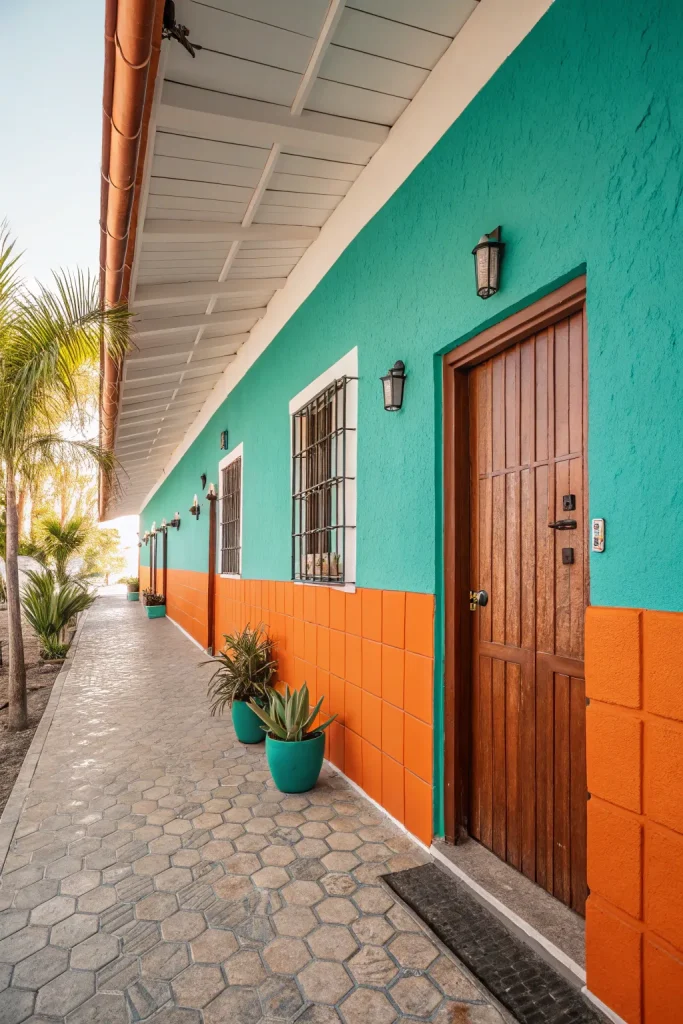
An accent wall is a simple way to introduce a seventies color story. Teal, pumpkin orange, avocado green, and golden yellow all bring energy to the space. Use one strong shade on a single wall, then repeat it in smaller decor details for a pulled-together result.
Incorporate Houseplants in Decorative Pots
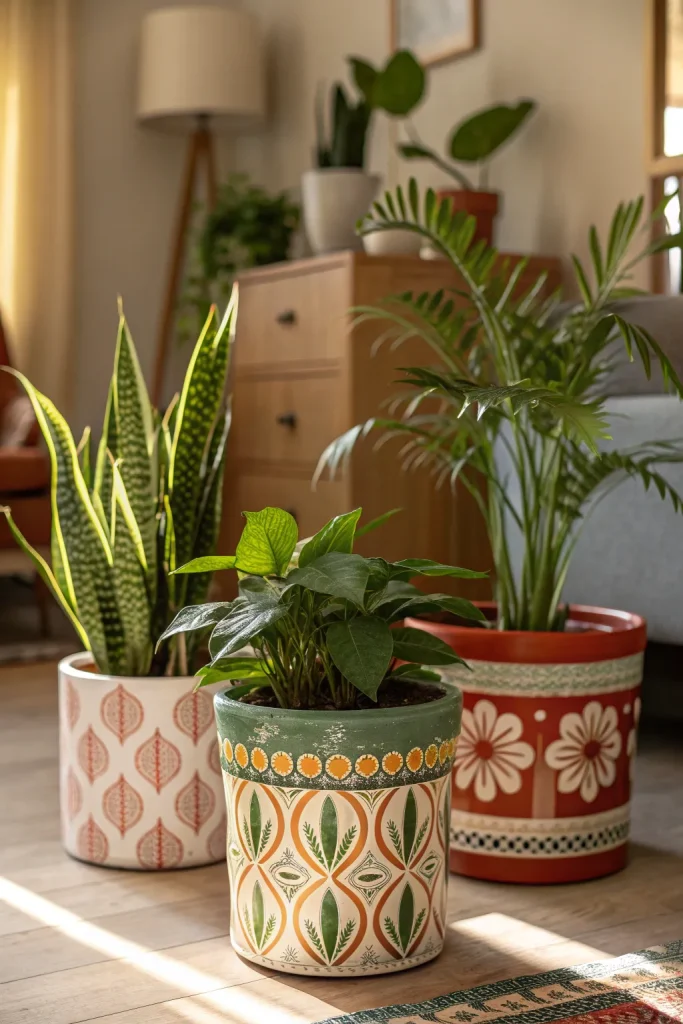
Houseplants were an essential part of seventies homes, adding organic texture to rooms filled with warm colors and bold patterns. Display a mix of leafy, trailing, and upright plants in ceramic pots, terracotta planters, or woven baskets. Macramé hangers are another easy way to add an authentic vintage touch.
Mix and Match Textiles for a Layered Look
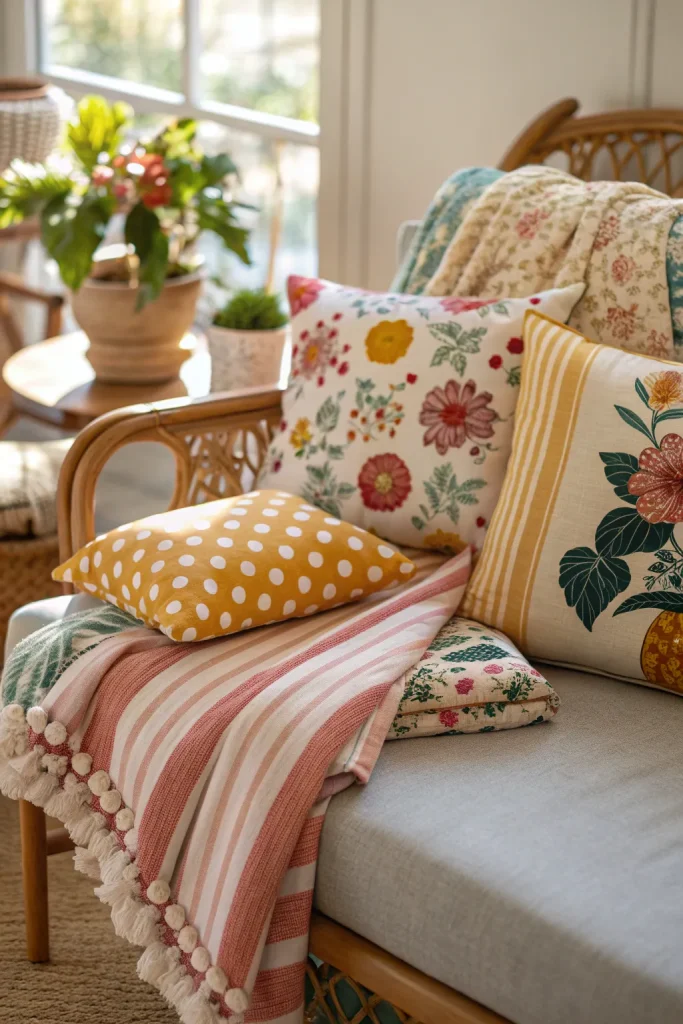
The seventies embraced mixing rather than matching. Pair florals with stripes, velvets with woven fabrics, or patterned throws with textured pillows. This layered approach gives a room a softer, more welcoming appearance while allowing your personality to show through.
Retro Kitchen with Funky Appliances
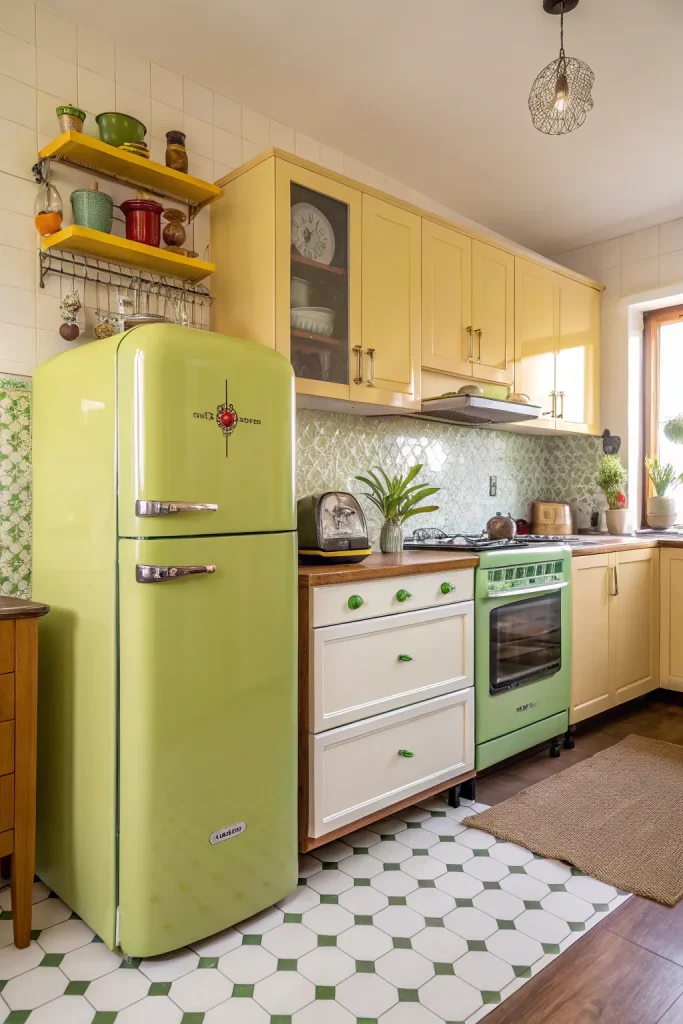
The kitchen offers plenty of opportunities to embrace seventies style. Retro-inspired appliances in avocado green, harvest gold, or bright orange can become the room’s standout feature. Even smaller items, such as a toaster, mixer, or kettle, can bring a playful vintage accent without requiring a full renovation.
Open Shelving Displaying Bold Dishware
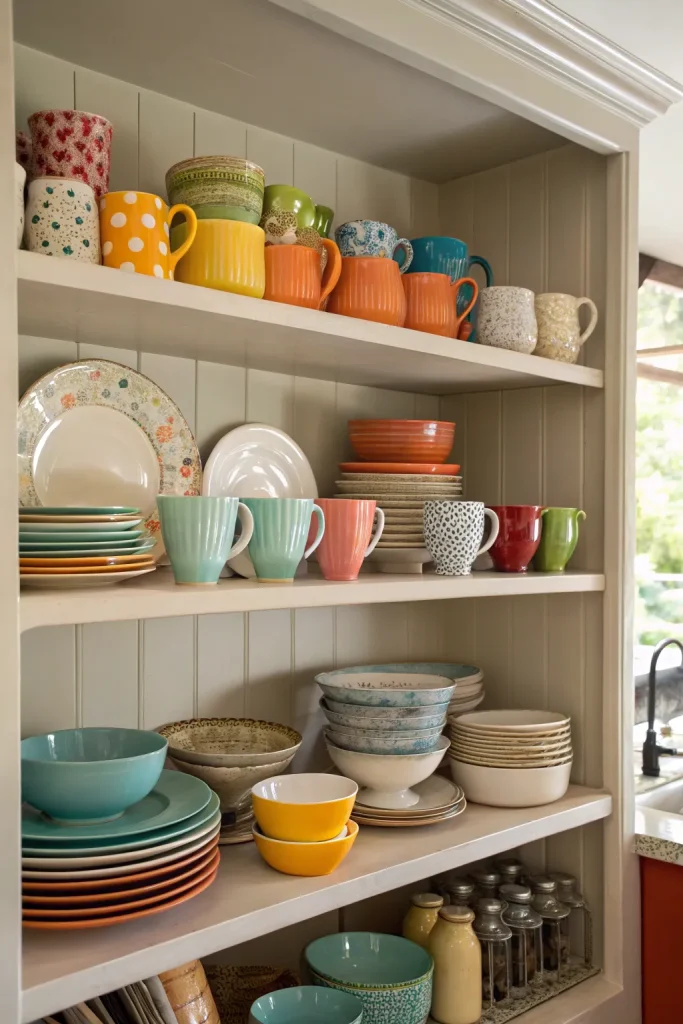
Open shelves let colorful dishware become part of the kitchen decor. Arrange vintage plates, patterned bowls, and bright mugs where they are easy to reach and enjoyable to see. The display adds character while making everyday kitchen essentials feel more intentional.
Wood Paneling for a Cozy Feel
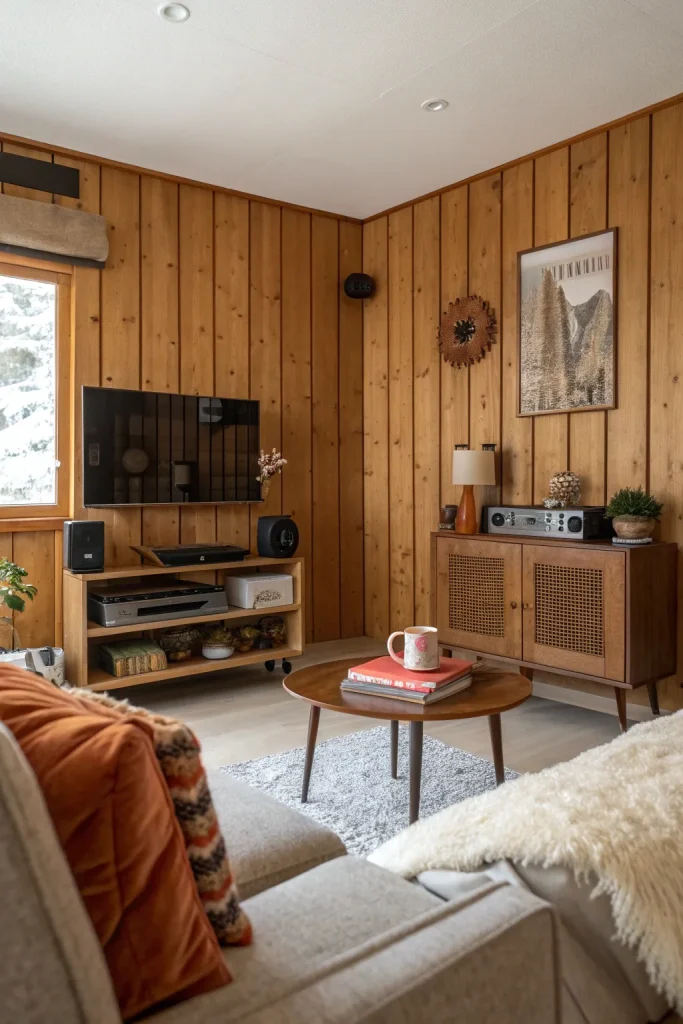
Wood paneling brings richness and warmth to a living room, den, or entryway. Use it on one feature wall rather than throughout the entire room for a more current take on the seventies look. Pair it with soft furnishings, plants, and warm lighting to create a comfortable atmosphere.
Sculptural Furniture as a Focal Point
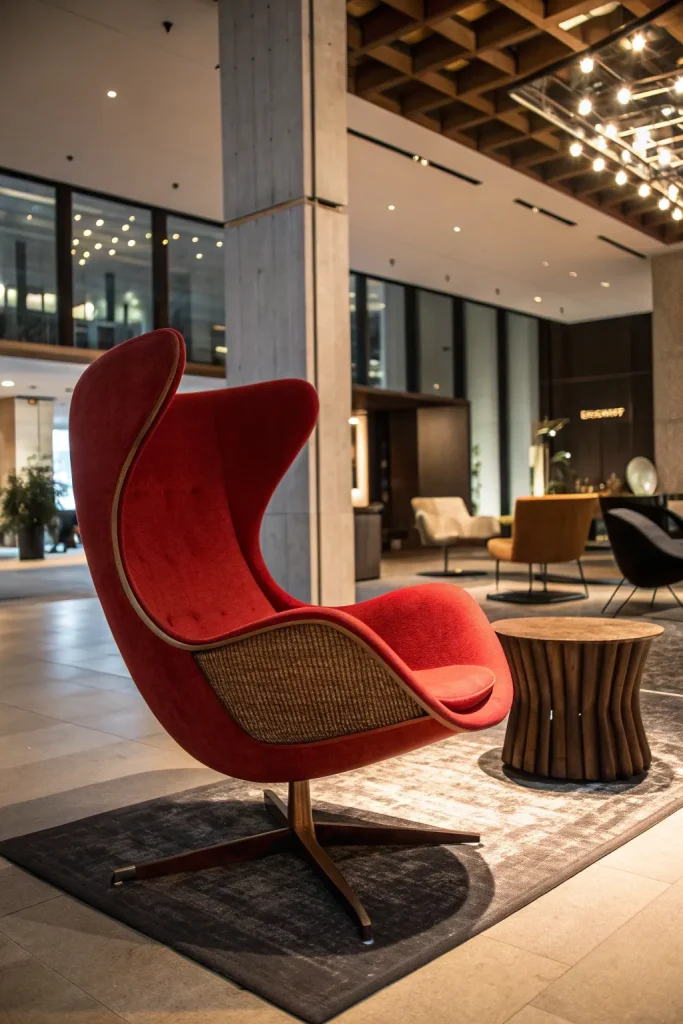
Furniture with unusual curves, bold proportions, or unexpected materials was a defining feature of the era. A sculptural chair, pedestal table, or uniquely shaped coffee table can serve as the room’s centerpiece. Choose one standout piece, then keep the surrounding decor simple enough to let it shine.
Art Deco Elements in Living Spaces
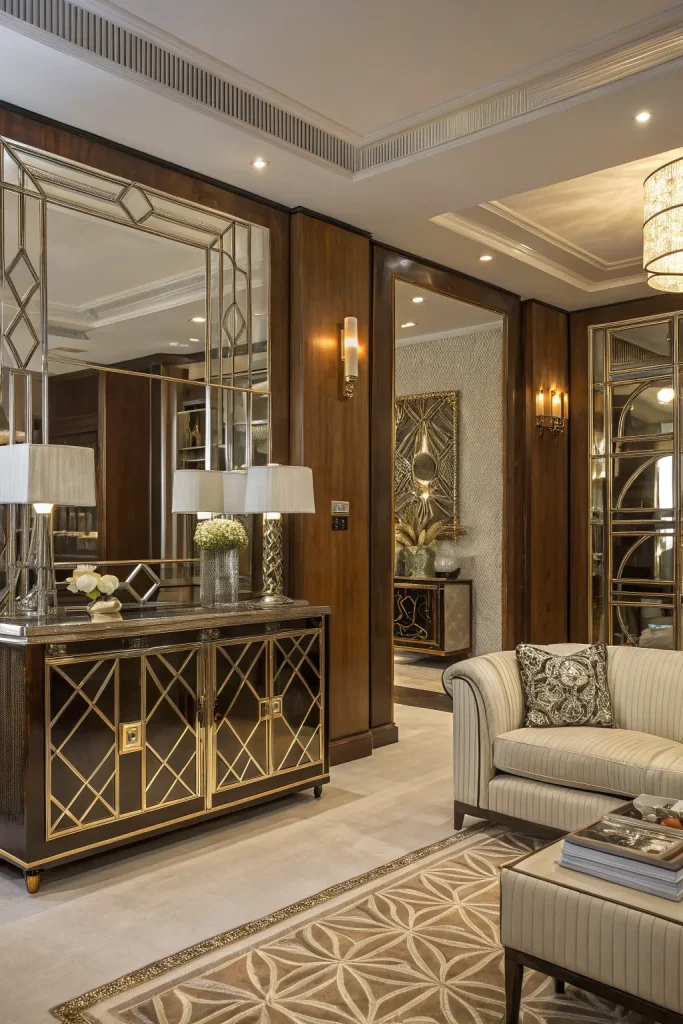
Art Deco touches can add a glamorous edge to seventies-inspired interiors. Mirrored surfaces, metallic details, and repeating geometric patterns work particularly well in a living room. These elements introduce polish and contrast while still complementing the era’s love of bold design.
Use of Mirrors to Enhance Light
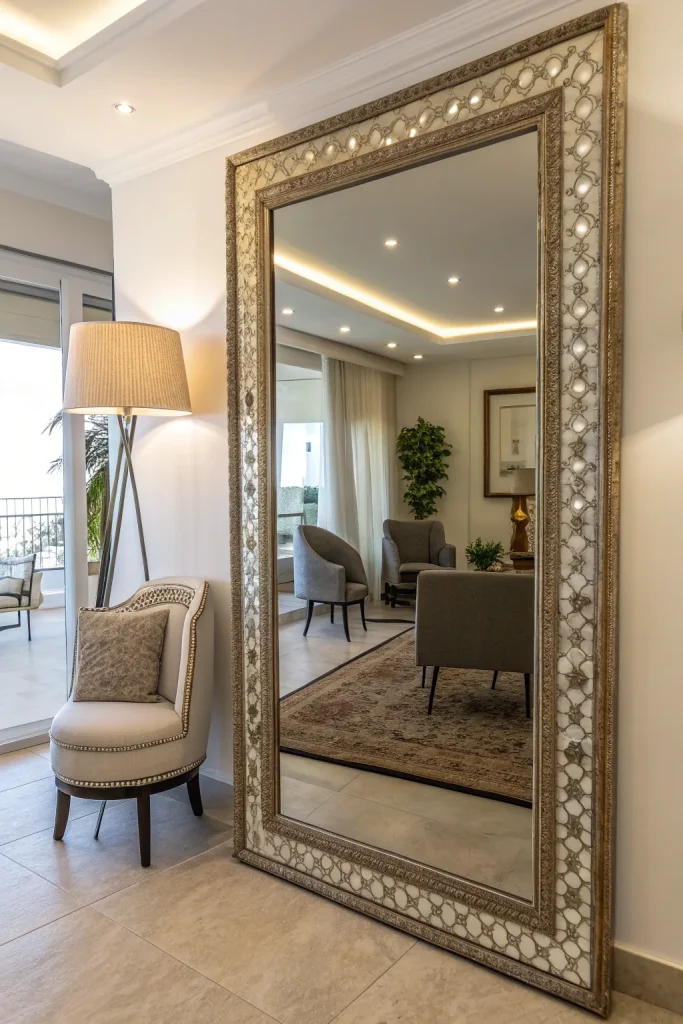
Mirrors help brighten a room and make it appear more spacious. Position one opposite a window or near a lamp to reflect light into darker corners. A decorative frame in brass, wood, or a geometric shape adds an additional layer of retro style.
Unique Coffee Tables with Creative Designs
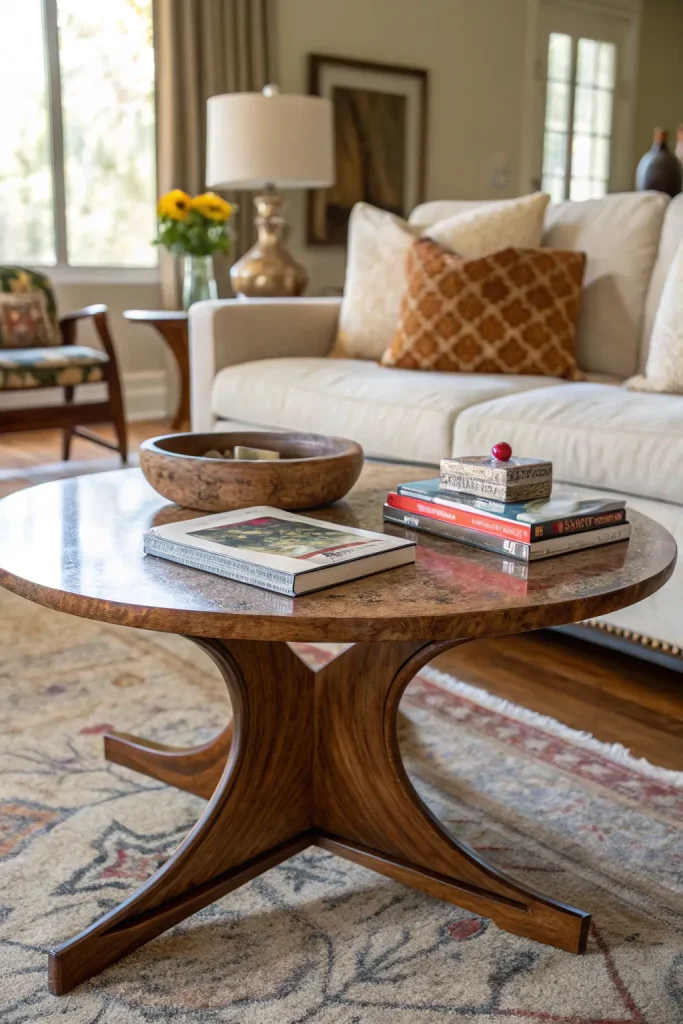
A coffee table can be more than a practical surface—it can become a statement piece. Look for designs with unusual shapes, glass tops, chrome bases, or richly grained wood. A distinctive table gives the seating area a strong retro anchor and adds an artistic note to the room.
Floor Cushions and Poufs for Relaxed Seating
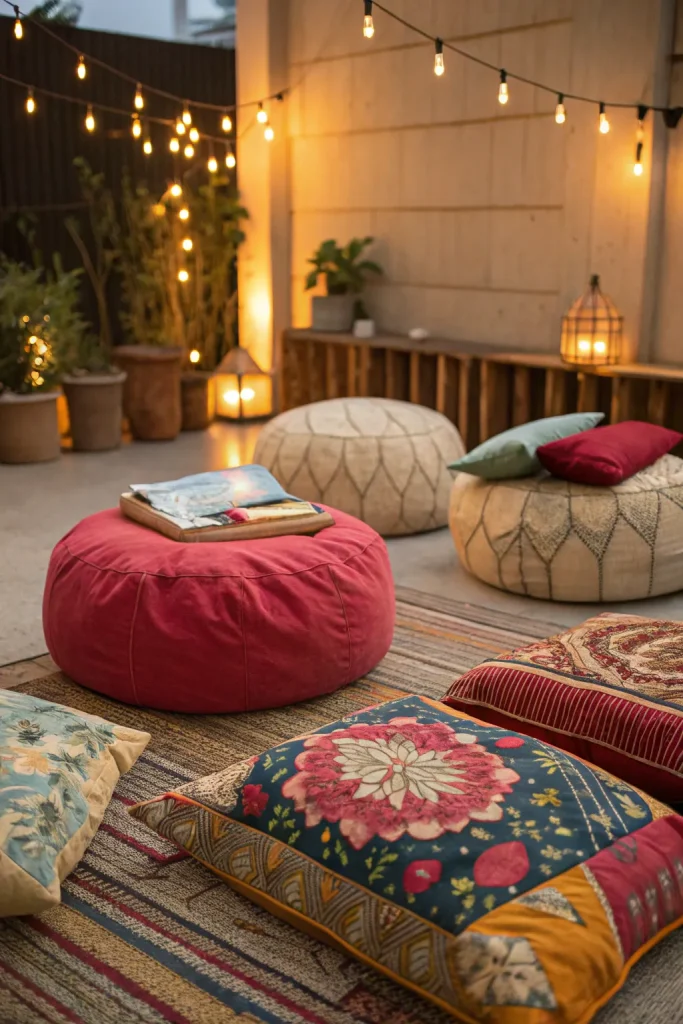
Floor cushions and poufs create the casual, welcoming atmosphere associated with seventies homes. Use them around a coffee table, in a reading corner, or as flexible extra seating when guests visit. Choose colorful fabrics, textured materials, or patterned covers to reinforce the retro feel.